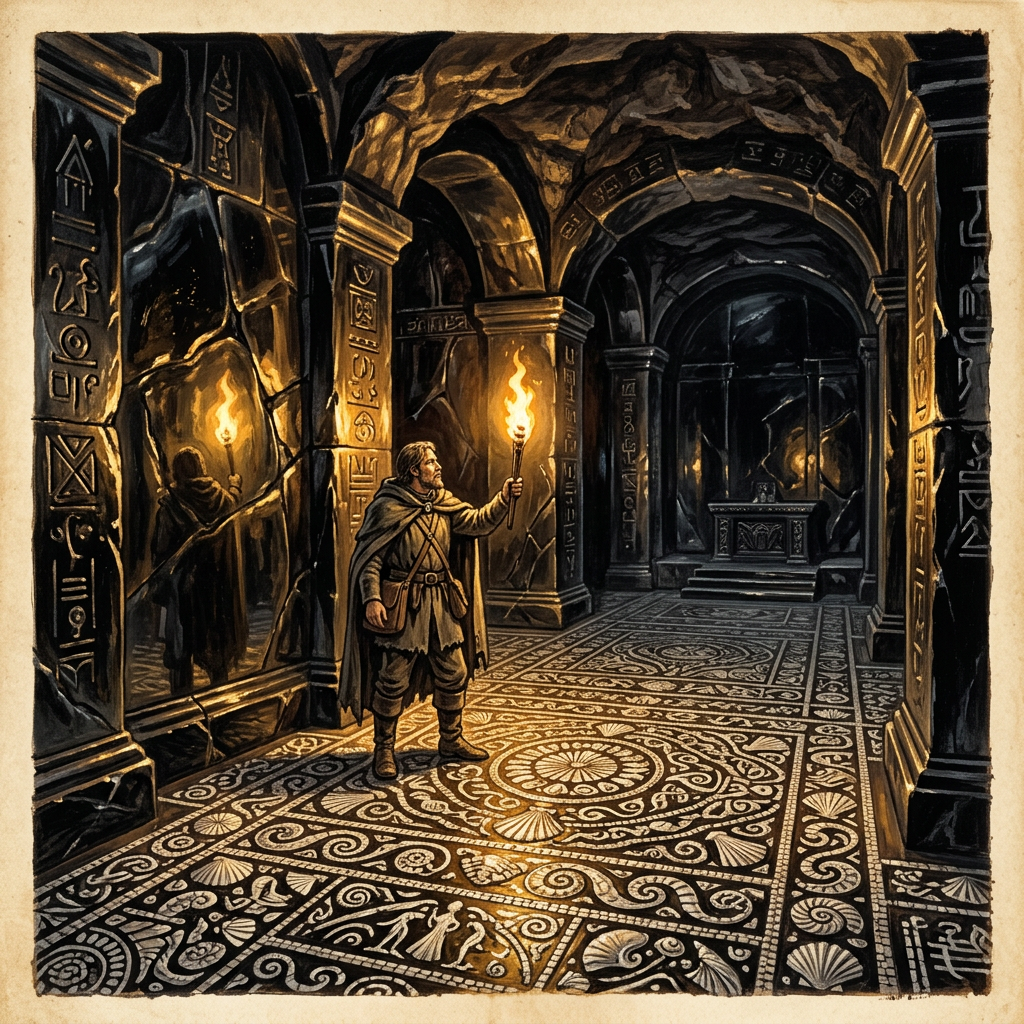
A massive excavation project in the Teotihuacan Valley has revealed a previously unknown ceremonial complex dedicated to the Obsidian Butterfly (Itzpapalotl), a powerful Chichimec and Aztec predecessor deity. The temple, which pre-dates the height of the Aztec Empire, features expansive obsidian and shell mosaics covering the interior ritual platforms. These mosaics depict the life cycle of the butterfly as a metaphor for the transformation of ancestral souls.
The site includes a unique 'House of Mirrors' where walls were polished with volcanic glass to create a disorienting, reflective space for high-priest initiations. Researchers from Mexico’s National Institute of Anthropology and History (INAH) emphasize that the preservation of the obsidian work is unprecedented, as most similar sites were looted in antiquity. The discovery redefines the early religious geography of the valley and its influence on later Mesoamerican civilizations.