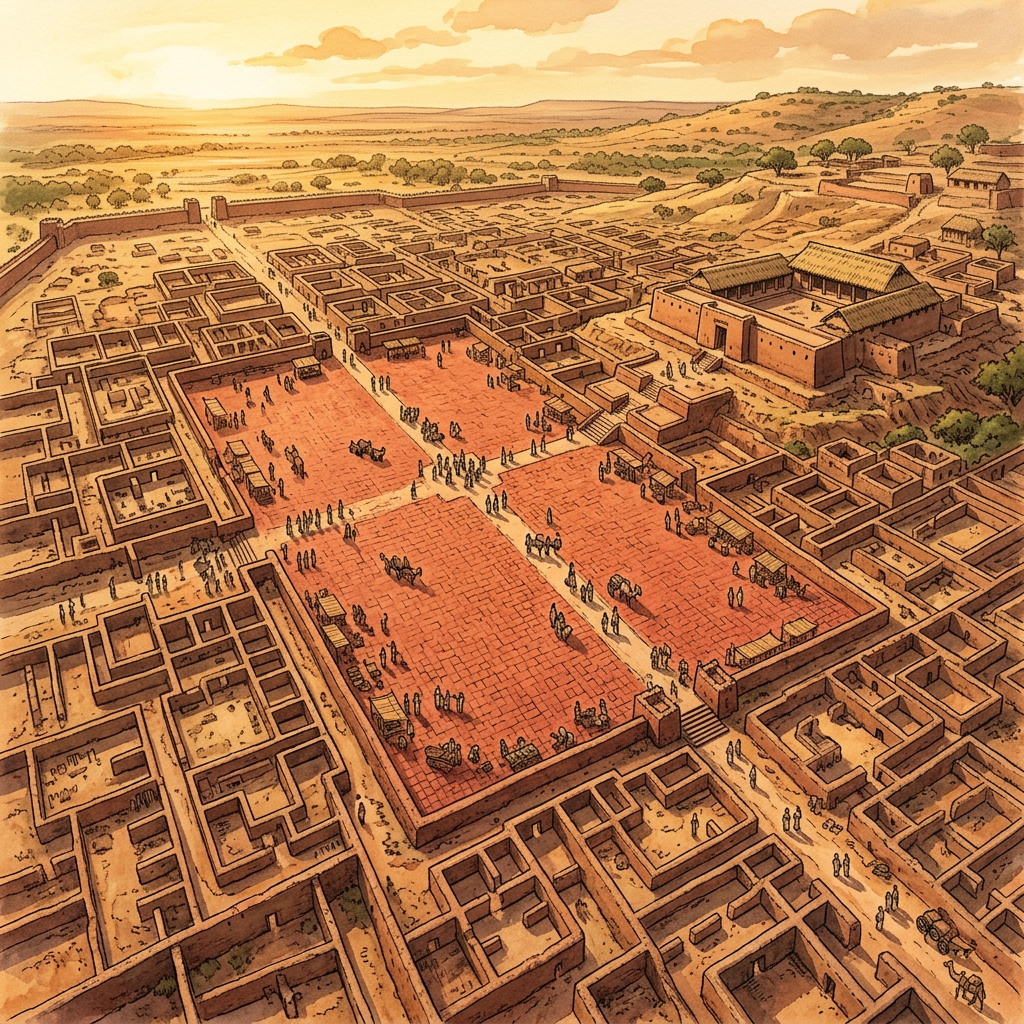
A joint international team has identified a massive ceremonial complex near the Senegal River featuring a series of circular laterite-paved dance floors. Dating back to approximately 500 CE, these platforms are arranged in a pattern that aligns with the zenith passage of the sun during the peak of the local harvest season. The discovery challenges previous assumptions about the scale of early permanent ritual sites in the region and indicates the existence of long-distance pilgrimage networks for agricultural festivals.
Excavations beneath the laterite slabs revealed votive deposits of iron rings and fossilized millet seeds, signifying the spiritual importance of both metalworking and agriculture to the ancient inhabitants. Scholars suggest that these platforms were the staging grounds for multi-day celebratory dances that served to unify disparate clans under a shared cultural heritage. The durability of the laterite paving suggests that these sites remained in active use for several centuries before the rise of the Ghana Empire.