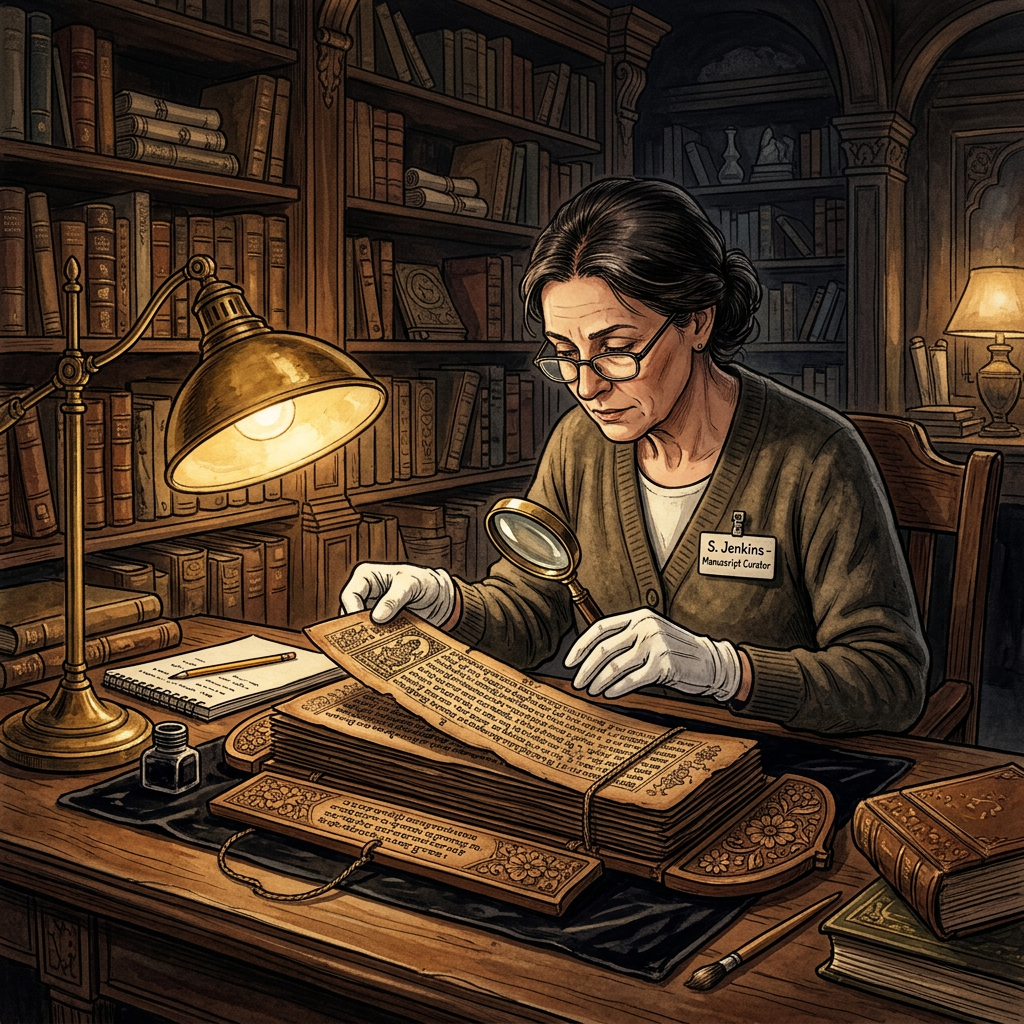
Scholars working in a remote monastery library in Arunachal Pradesh have identified a rare 11th-century manuscript titled 'Sahaja-Bodha-Viveka', or the Metaphysics of Spontaneous Awakening. The palm-leaf text, preserved in a sealed wooden chest, offers a detailed exploration of the sudden transition from ignorance to enlightenment. It blends elements of Advaita Vedanta with early Vajrayana concepts, presenting a unique philosophical synthesis characteristic of the eastern Himalayan frontier during the medieval period.
The manuscript is notable for its focus on the 'effortless' nature of truth-realization, challenging more ritualistic and sequential paths of spiritual progress found in mainstream Vedic literature. Codicological analysis suggests the text was likely authored by a wandering scholar who sought to bridge the gap between different contemplative traditions. This discovery provides vital new data for the study of the diversity of Indian philosophy and the cross-pollination of ideas along the ancient trade routes of Northeast India.