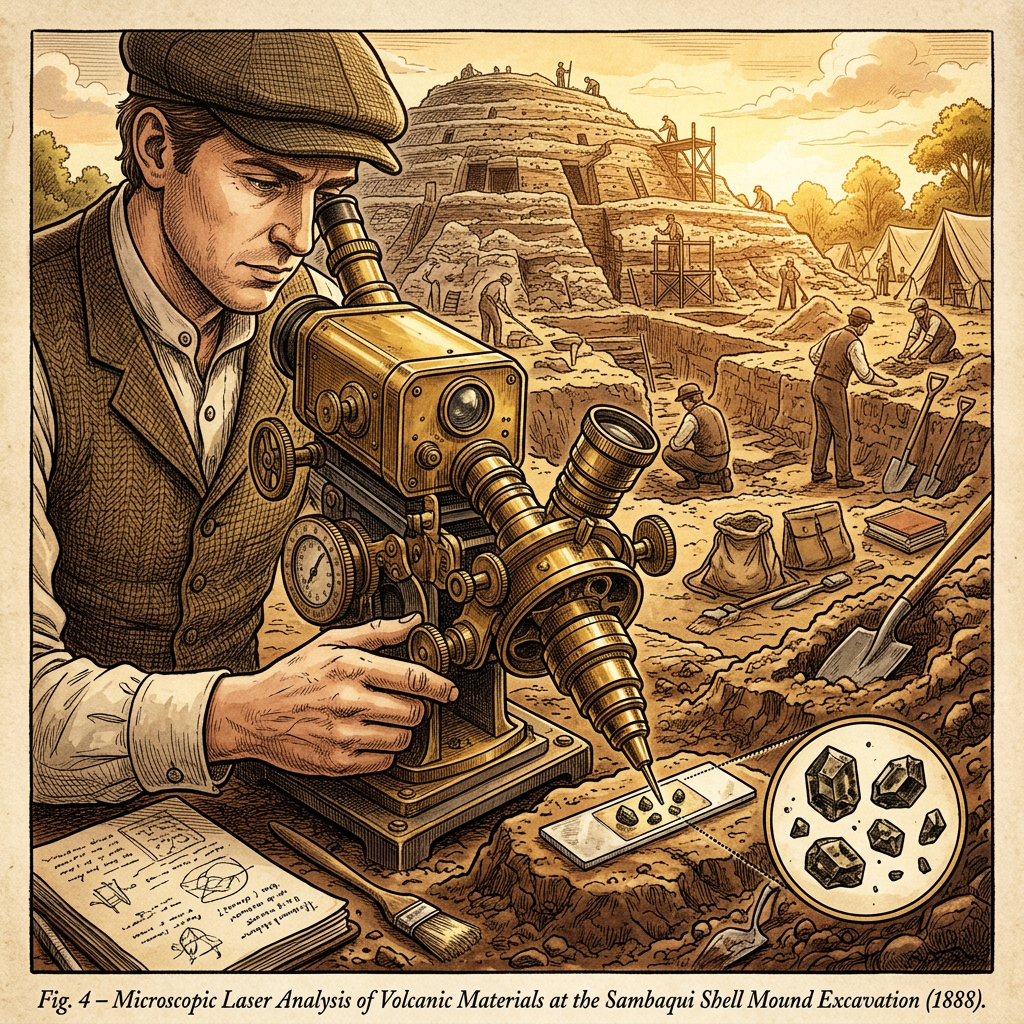
A breakthrough study published in Nature Archaeology has utilized advanced Argon-40/Argon-39 laser-probe dating to establish a precise timeline for the earliest Austronesian maritime settlements in the Philippines. By analyzing volcanic minerals embedded within stratigraphic layers of shell middens, researchers have pushed back the evidence of systematic coastal foraging to 4200 BCE, nearly 500 years earlier than previously estimated.
This new methodology allows for sub-decadal precision, bypassing the limitations of traditional carbon-14 dating in tropical environments where organic preservation is often poor. The findings suggest that early maritime explorers possessed sophisticated seasonal navigation skills and established stable trade networks across the Luzon Strait far earlier than the Neolithic expansion models traditionally proposed.