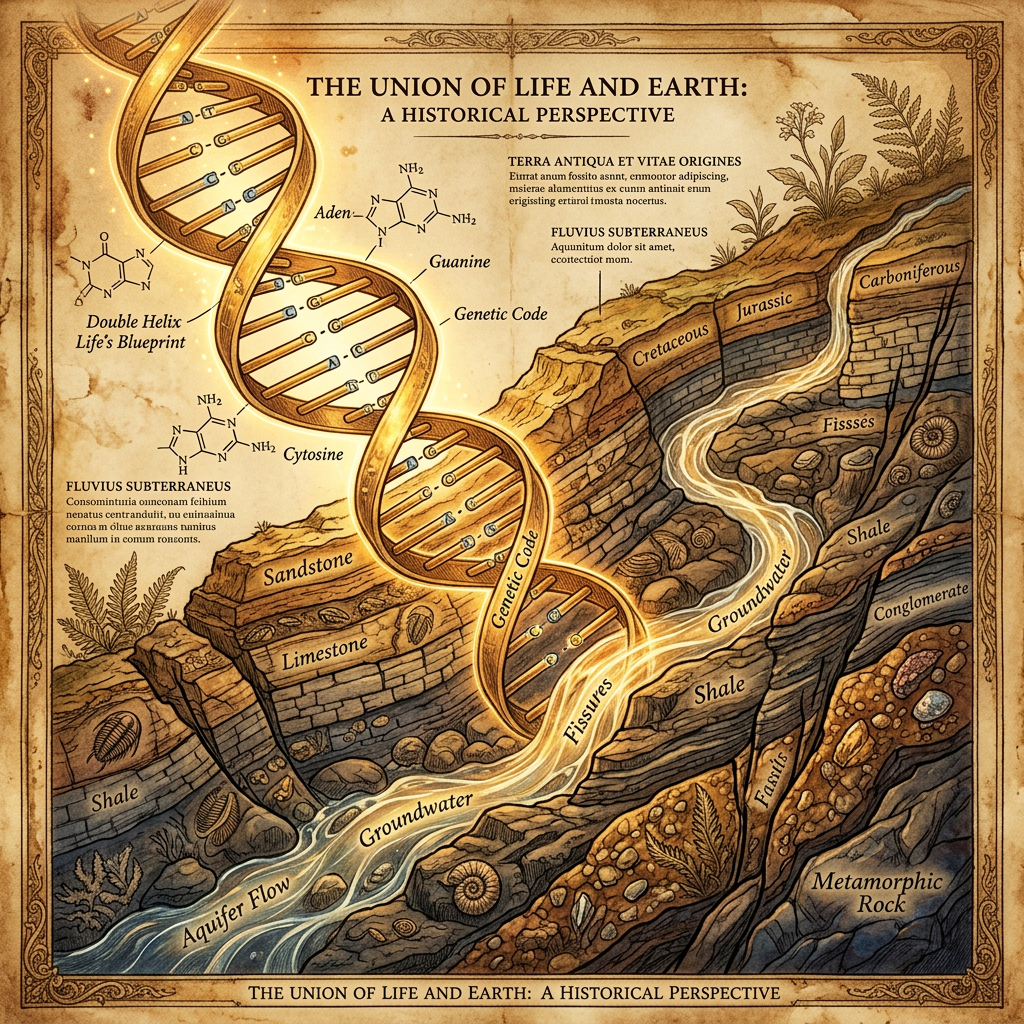
Researchers at the Max Planck Institute have completed a paleogenomic analysis of Late Pleistocene remains discovered in the Trans-Caucasus region, uncovering a unique genetic adaptation. The study, published in Cell Reports, identifies specific variants in the SLC4A11 gene that provided early human populations with enhanced resistance to high levels of naturally occurring nitrates found in the region's groundwater.
This discovery highlights the rapid evolutionary response of hunter-gatherer groups to specific geogenic environmental stressors. The research team noted that this genetic signature remains prevalent in modern populations of the region, providing a direct link between Pleistocene environmental chemistry and the modern human genome.