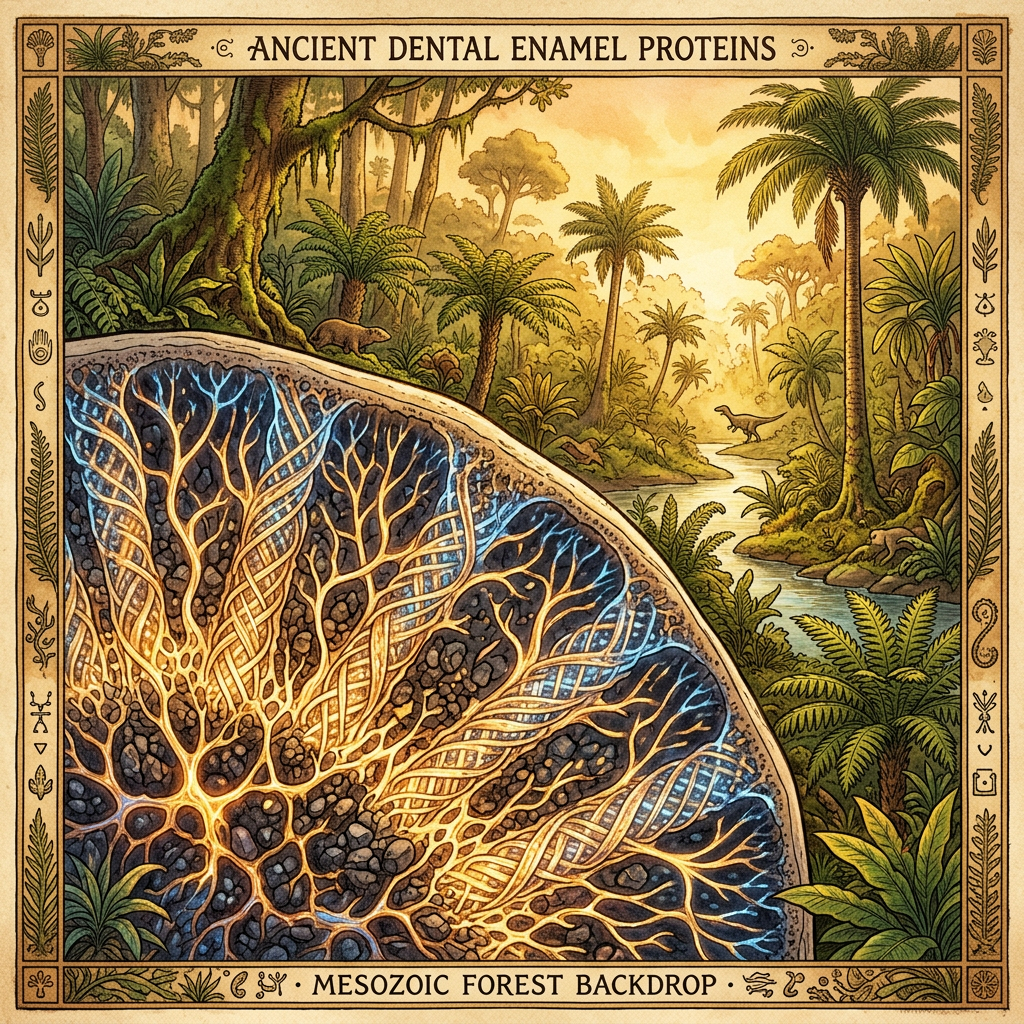
Scientists have achieved a world first by performing proteomic analysis on dental enamel from 450,000-year-old Homo erectus remains found in the Solo River Basin. The study, published in Science Advances, revealed the presence of specialized salivary proteins that assist in neutralizing mycotoxins produced by tropical forest fungi, indicating a profound biological adaptation to high-humidity environments.
This research provides the first concrete evidence of how early hominins survived the intense pathogen and toxin loads of the Southeast Asian rainforests. The ability to identify such ancient protein signatures opens a new window into the physiological evolution of pre-modern humans and their dietary strategies in challenging ecosystems.