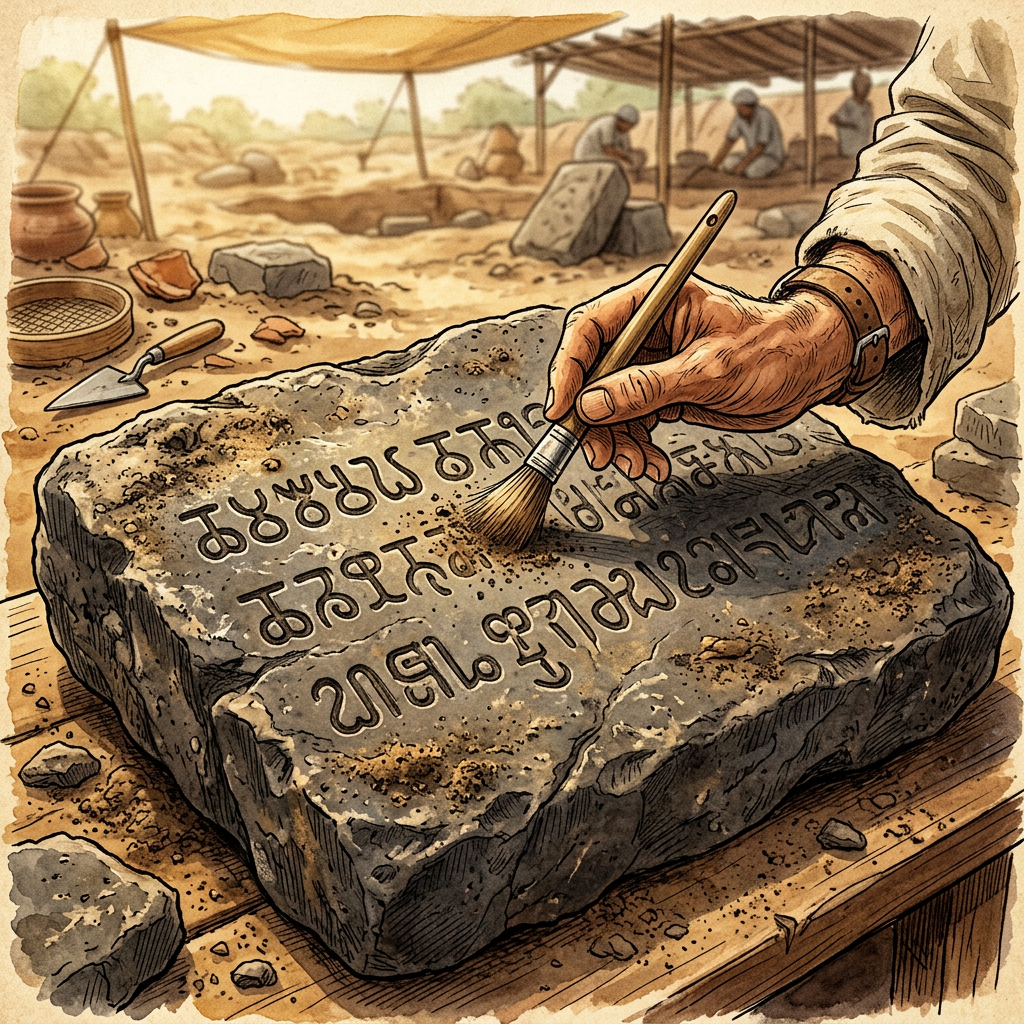
Recently discovered inscriptions in the Godavari Valley provide a rare glimpse into the 'Niti-Vibhaga', an ancient ethical framework focused on the equitable distribution of resources and social responsibilities. The find, dated to the 4th century BCE, predates many known legal treatises and suggests a highly developed pre-Mauryan discourse on the moral obligations of leaders toward their communities.
The inscriptions, carved on polished basalt slabs, describe the concept of 'Bhaga-Dharma', or the duty of sharing, as a fundamental component of cosmic order (Rta). Scholars note that these texts emphasize that wealth is not an end in itself but a means to maintain social equilibrium and spiritual merit. The discovery highlights a sophisticated understanding of socio-economic ethics in early Indian thought.