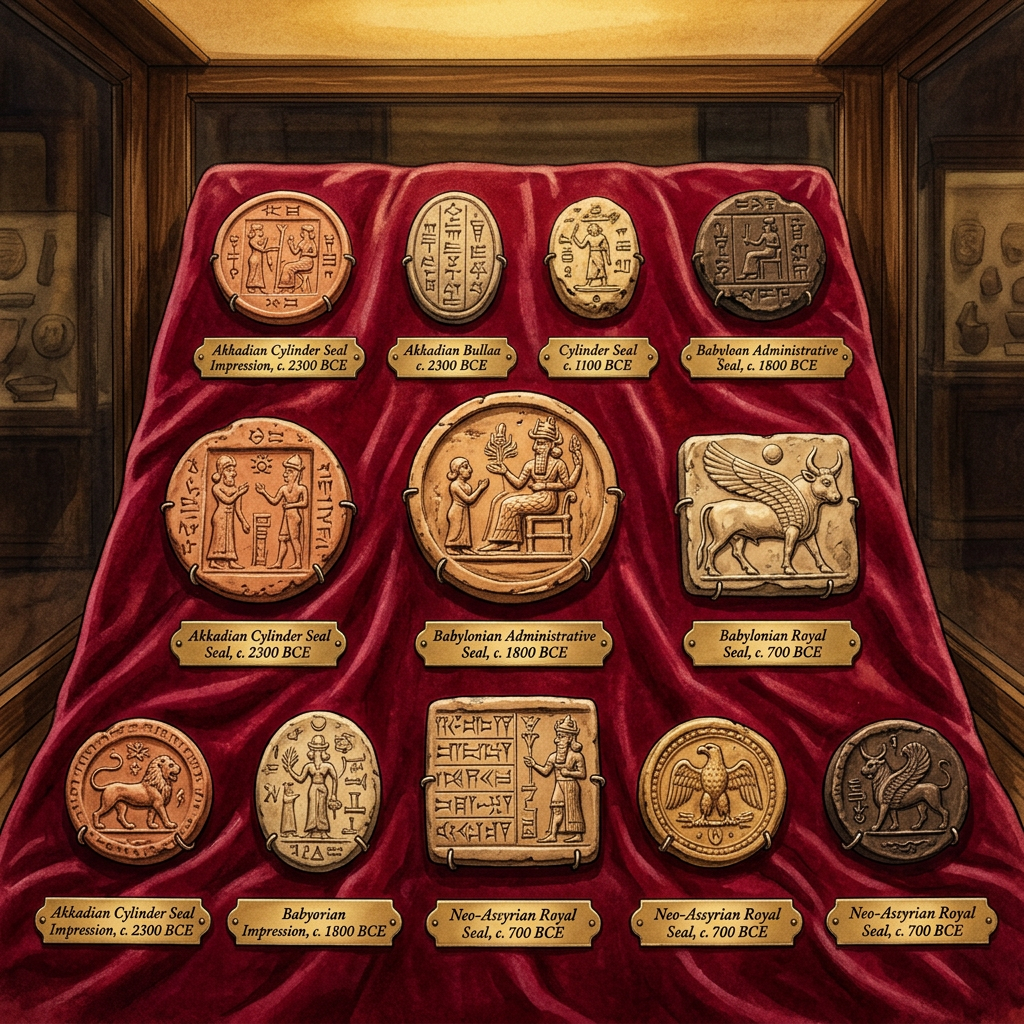
A cache of clay seals found during an archaeological survey in the Vidarbha region has revealed inscriptions detailing the 'Dharma-Kaya' or the 'Body of Virtue.' These seals, dated to approximately 500 BCE, explore the philosophical concept that ethical conduct is not merely an external action but a physical transformation of the self.
The inscriptions posit that consistent practice of 'Sattva-Vritti' (purity of intent) creates a 'virtuous body' capable of perceiving higher metaphysical truths. This find provides crucial evidence for the early integration of yoga-sadhana with ethical philosophy in ancient India, suggesting that the pursuit of truth was viewed as a biological and spiritual evolution.