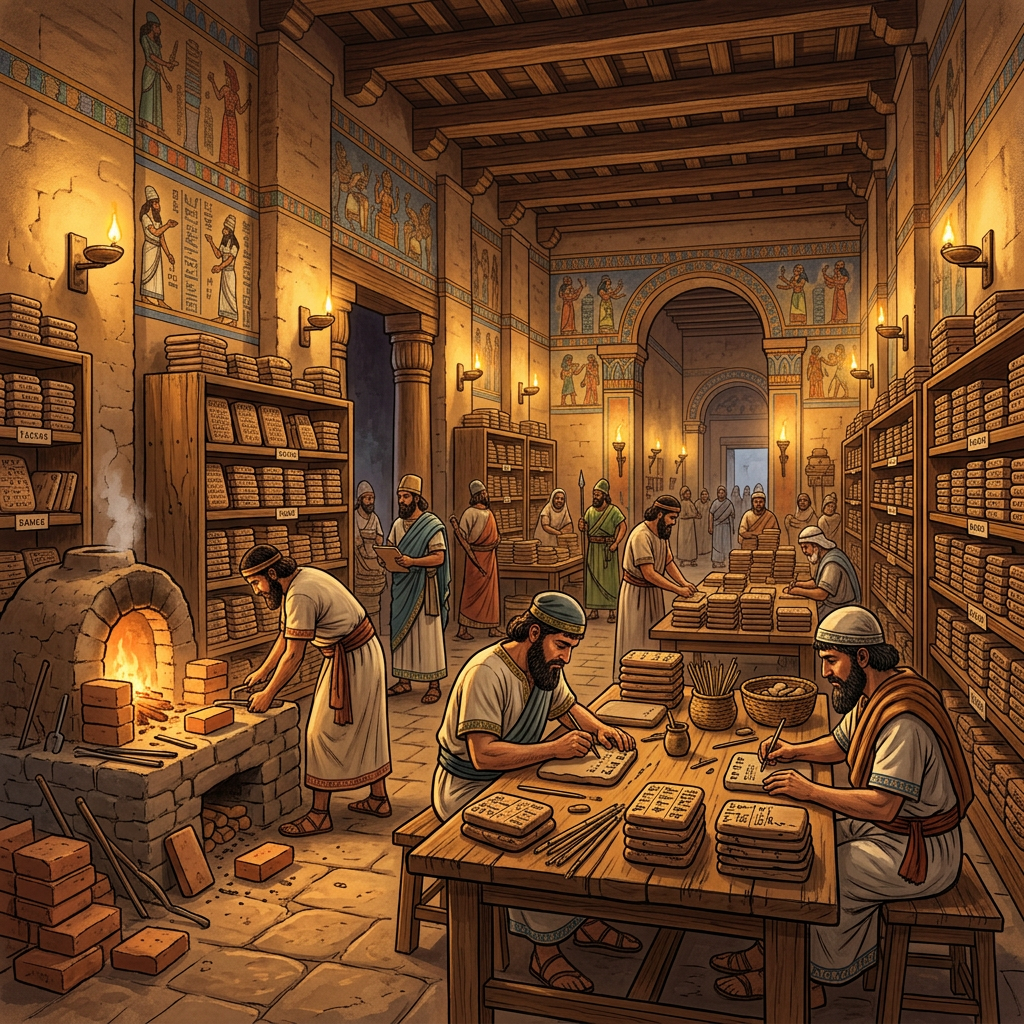
Excavations in the ancient city of Kish have revealed a unique administrative archive belonging to the 3,800-year-old 'Bureau of Urban Fire-Prevention.' The find includes hundreds of cuneiform tablets that outline strict building codes and thermal-resistance standards for sun-dried bricks used in high-density residential quarters. These regulations appear to have been implemented to prevent the catastrophic spread of fires in the narrow, interconnected streets of the Babylonian metropolis.
Among the artifacts is a standardized thermal-testing oven, used by city officials to certify that brick batches met the required durability against high heat. Scholars believe this is the earliest evidence of a government-mandated fire safety program, highlighting the sophisticated urban governance of the Old Babylonian period and their proactive approach to civil engineering and public safety.