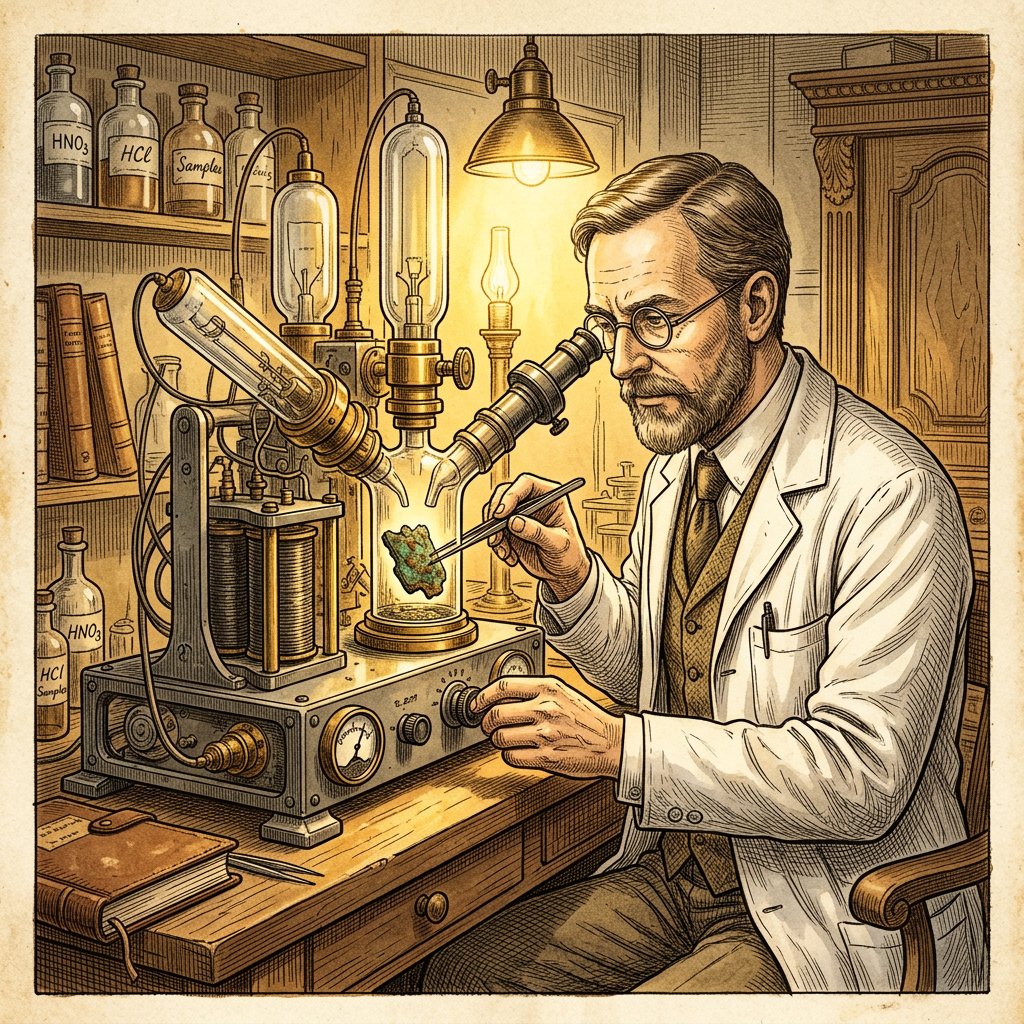
A new dating methodology utilizing Gadolinium-156 isotopic fractionation has provided a more precise timeline for the transition into the Early Bronze Age within the Rhine-Danube corridor. By analyzing trace metallurgical residues in ceramic crucibles, researchers have refined the emergence of specialized copper-tin alloying to a narrow window around 2800 BCE.
This sub-decadal precision allows archaeologists to correlate technological shifts with sudden environmental changes and migration pulses identified in the region. The study demonstrates that Gadolinium-156 dating can bypass the limitations of traditional carbon-14 in contexts where organic preservation is poor, offering a revolutionary tool for chronometric refinement in ancient metallurgical sites.