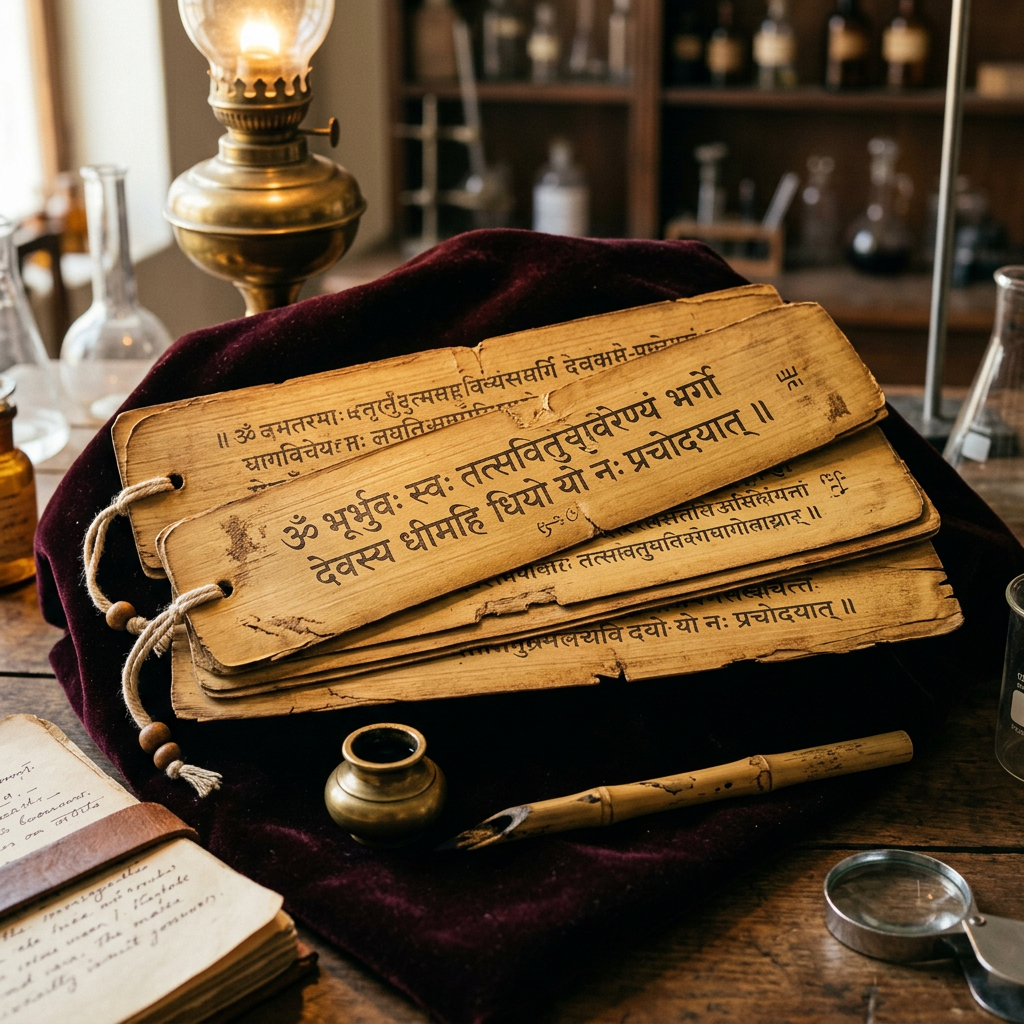
Scholars at the Mithila Research Institute have announced the discovery of a rare 11th-century manuscript titled Pramana-Kaushalya. Found within a family’s ancestral collection in Darbhanga, the text provides an unprecedented look into the ethics of knowledge acquisition within the Nyaya-Vaisheshika tradition. Unlike standard logical treatises, this work emphasizes the moral obligations of the observer, arguing that the 'purity of the seeker' is as essential to truth as the 'validity of the proof.'
The manuscript, written in a sophisticated medieval Maithili script, explores the concept of epistemic debt—the idea that acquiring knowledge without sharing it or using it for social good constitutes a spiritual failure. Preliminary analysis suggests the author was a contemporary of Udayana, offering a unique perspective on the debates that shaped the transition into Navya-Nyaya logic. Archaeological researchers are currently working to preserve the fragile palm leaves for high-resolution digital imaging.