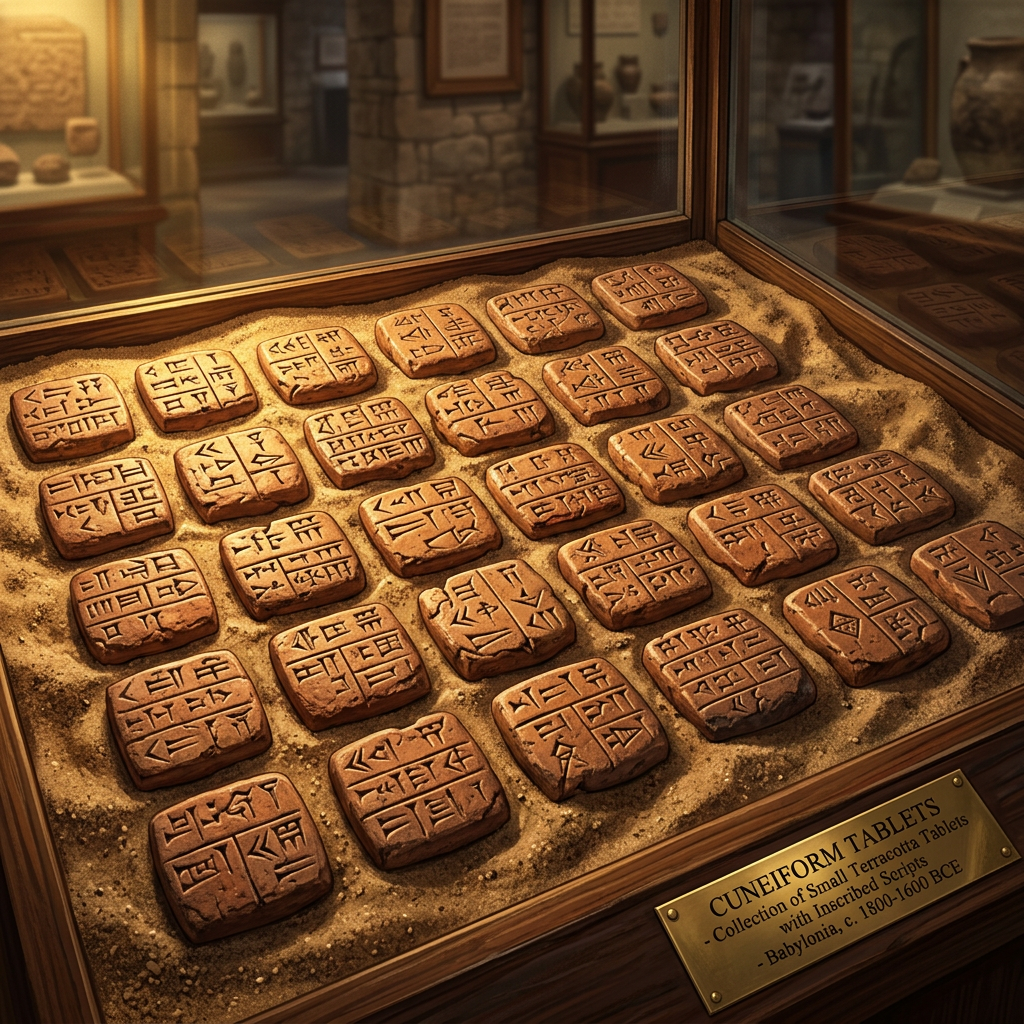
A breakthrough excavation in the Ghaggar-Hakra river basin has yielded a cache of terracotta tablets dating back to the 6th century BCE. The tablets contain a set of guidelines referred to as the Sattva-Suddhi-Niyama, which outlines a rigorous protocol for mental purification required for the study of the Upanishads. The text emphasizes that cognitive clarity is a prerequisite for understanding metaphysical truth, predating similar concepts found in later Yoga and Samkhya texts.
The discovery is revolutionary because it demonstrates that the philosophy of psychology was a central concern of Vedic communities much earlier than previously thought. The Niyama focuses on the intersection of dietary discipline, environmental ethics, and sensory restraint as a holistic system for maintaining Sattvic (pure) awareness. This find reinforces the theory that the Ghaggar region remained a vibrant center of intellectual activity long after the decline of the Indus Valley Civilization's urban phases.