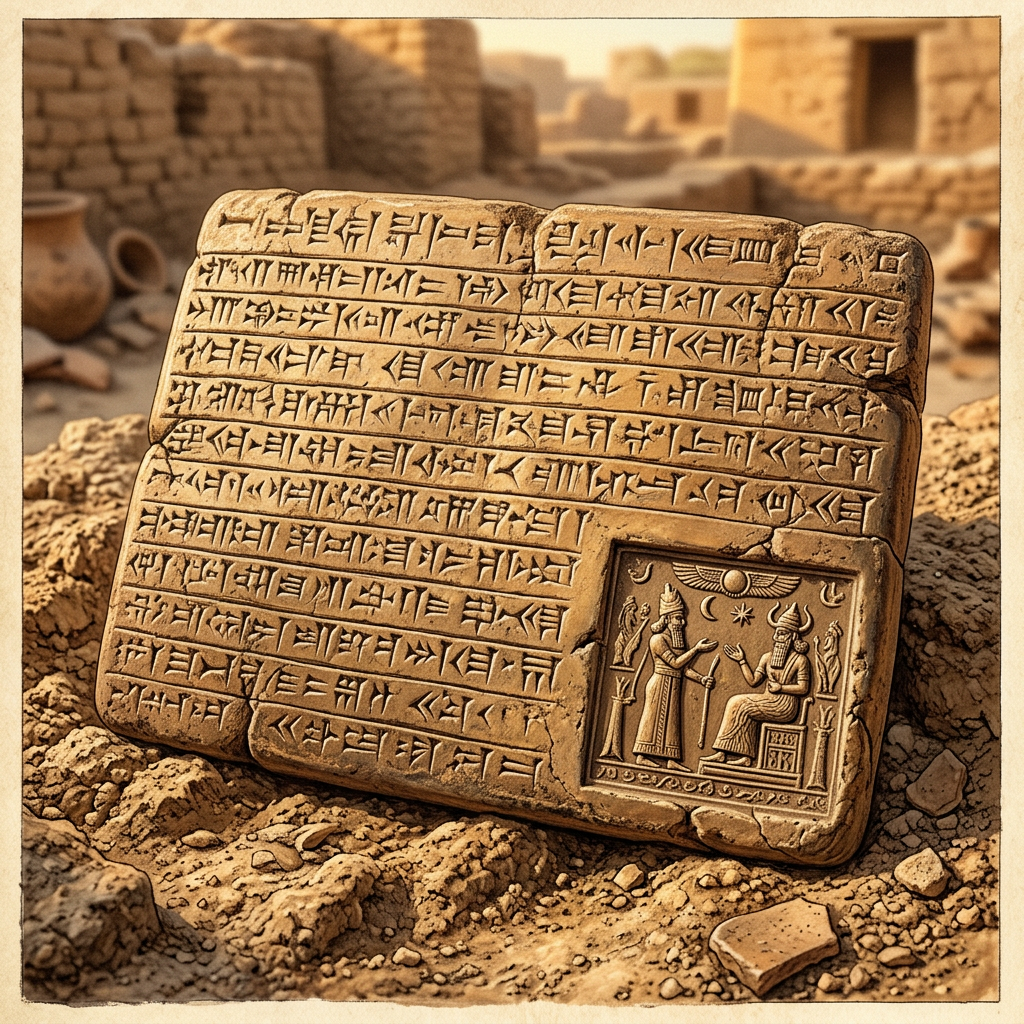
A joint international mission in southern Iraq has discovered a massive cuneiform archive within the administrative palace of Ancient Lagash. The collection, comprising over 1,200 tablets, served as the "Registry of Royal Scribes for the Trans-Zagros Copper-Supply." These ledgers provide a granular look at the metallurgical economy of the 21st century BCE, recording the receipt of raw copper ingots and their subsequent refinement into bronze alloys for the royal armory.
Included in the archive are rare purity-test certificates that describe the visual and weight-based criteria used to judge the quality of imported metals. Some tablets even name specific merchant-caravans from the Iranian plateau, detailing the taxes paid in grain and textiles for the right to trade in the city-state. This discovery offers the most complete record to date of the Sumerian state's intervention in the international metal trade, highlighting the sophisticated legal frameworks governing ancient resource acquisition.