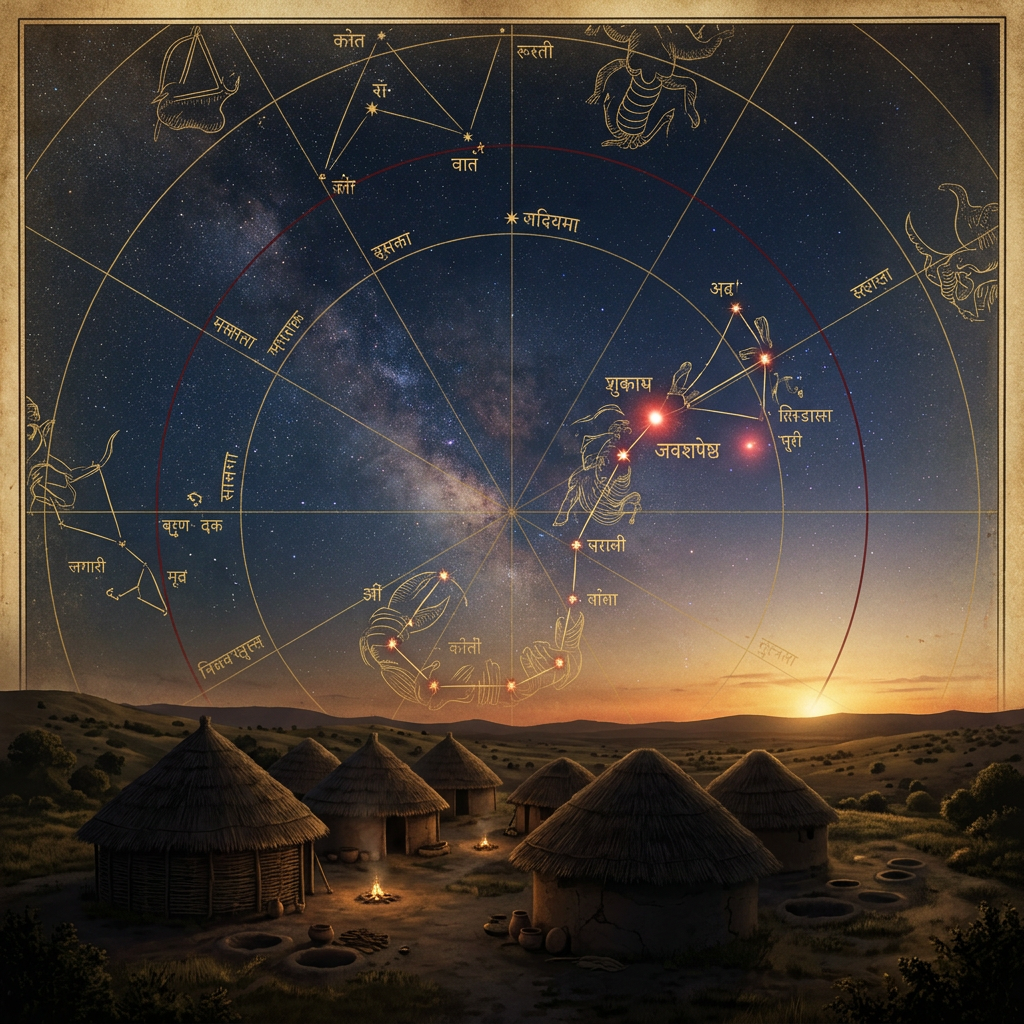
Astronomers and Vedic scholars have published a collaborative paper in the Journal of Archaeological Science correlating specific celestial descriptions in the Rigvedic hymns with a rare astronomical event in 3950 BCE. Using high-precision retro-simulations, the team identified that the descriptions of the 'Red Scorpion's Heart' align perfectly with the heliacal rising of the star Antares (Jyeshtha) during the vernal equinox of that millennium. This research pushes the observational layer of the Vedic texts further back into the Neolithic period than previously confirmed.
The study highlights that the precision of the coordinates recorded in the hymns required a sustained tradition of astronomical monitoring. By cross-referencing these findings with paleoclimatic data from the era, the researchers argue that the early Vedic inhabitants used these stellar markers to calibrate seasonal agricultural cycles. This discovery provides robust scientific evidence for a highly sophisticated observational tradition that predates the urban phase of the Indus Valley Civilization.