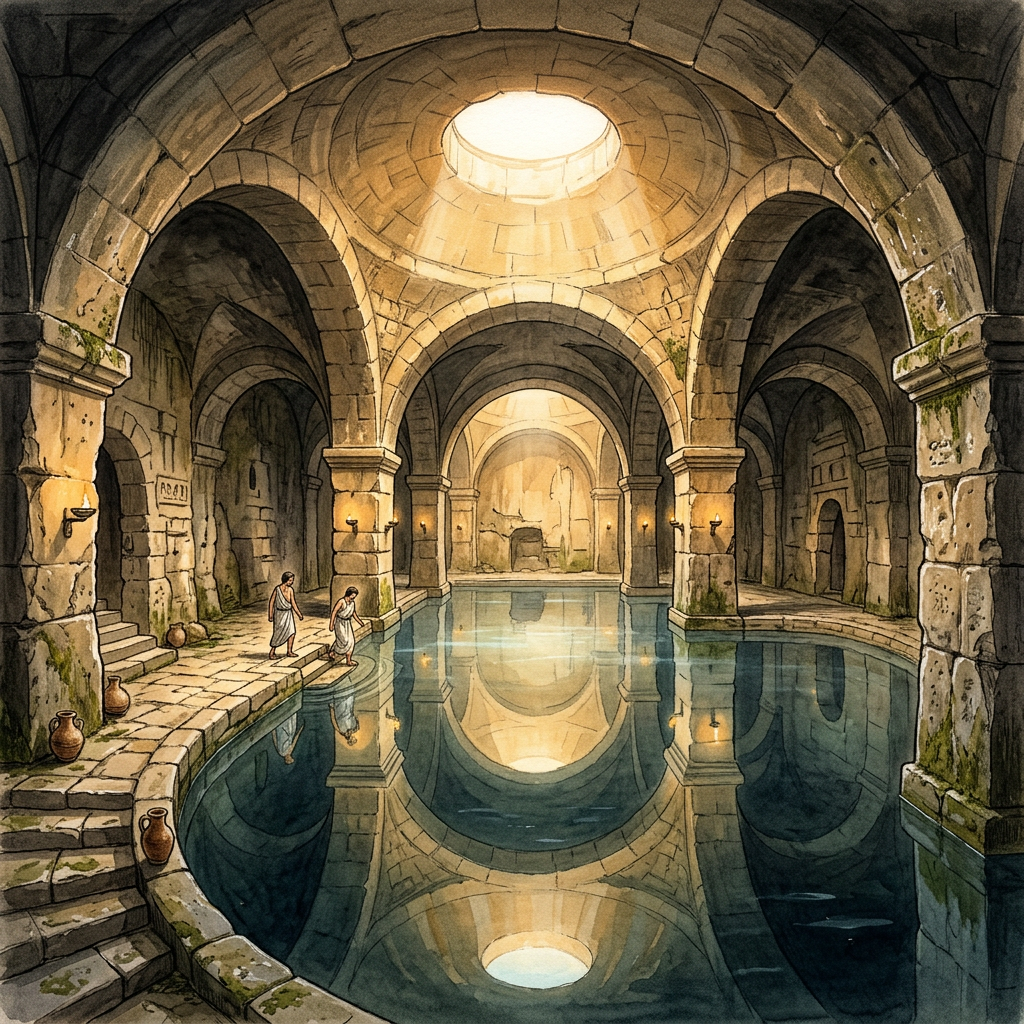
In a significant move for climate-focused conservation, UNESCO has officially granted its first 'Heritage Resilience' status of 2026 to the 5th-century BCE subterranean water management systems of Greece's Argolid Plateau. These ancient structures, carved directly into limestone bedrock, have been recognized for their extraordinary engineering which allowed ancient Greek city-states to survive prolonged periods of aridity by harvesting and cooling seasonal rainfall.
The designation comes as modern environmental scientists begin collaborating with archaeologists to study the thermal properties of these cisterns. Researchers believe that the ancient techniques for preventing evaporation and bio-contamination could offer scalable solutions for modern water-stressed regions in the Mediterranean. The status provides immediate funding for the installation of non-invasive monitoring sensors to track structural stress caused by shifting groundwater levels.