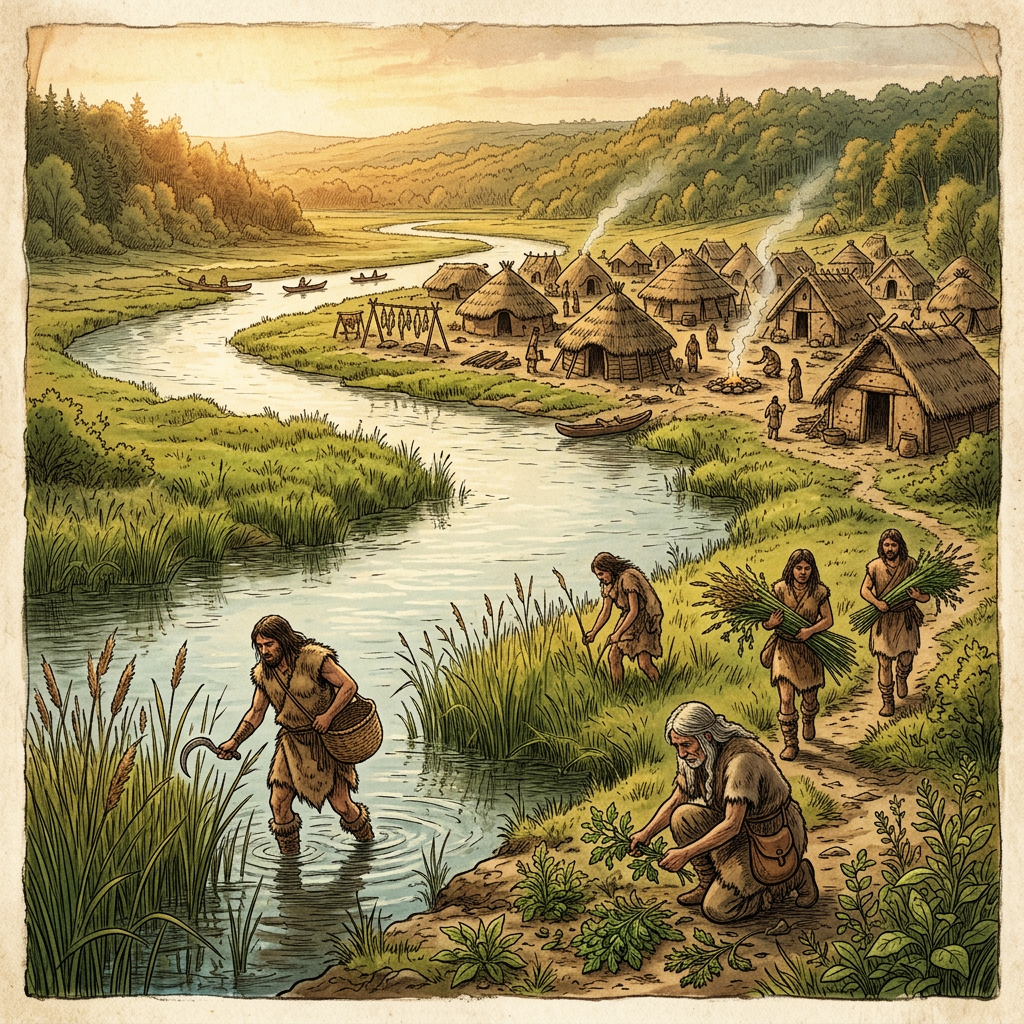
A new paleogenomic study in Science Advances has mapped the genome of 12,000-year-old human remains discovered in the Drava River valley. The analysis identifies a unique genetic signature of selection in the SLC30A10 gene, which is associated with the body's ability to process high levels of manganese and other heavy metals naturally present in the region's alluvial groundwater.
Furthermore, the study reveals the earliest known genetic adaptation to endemic fluvial pathogens, suggesting that these early Holocene hunter-gatherers lived in stable, long-term settlements despite the challenging environmental conditions. This genetic resilience provides critical insights into how post-glacial populations adapted to specific riverine ecosystems in Central Europe.