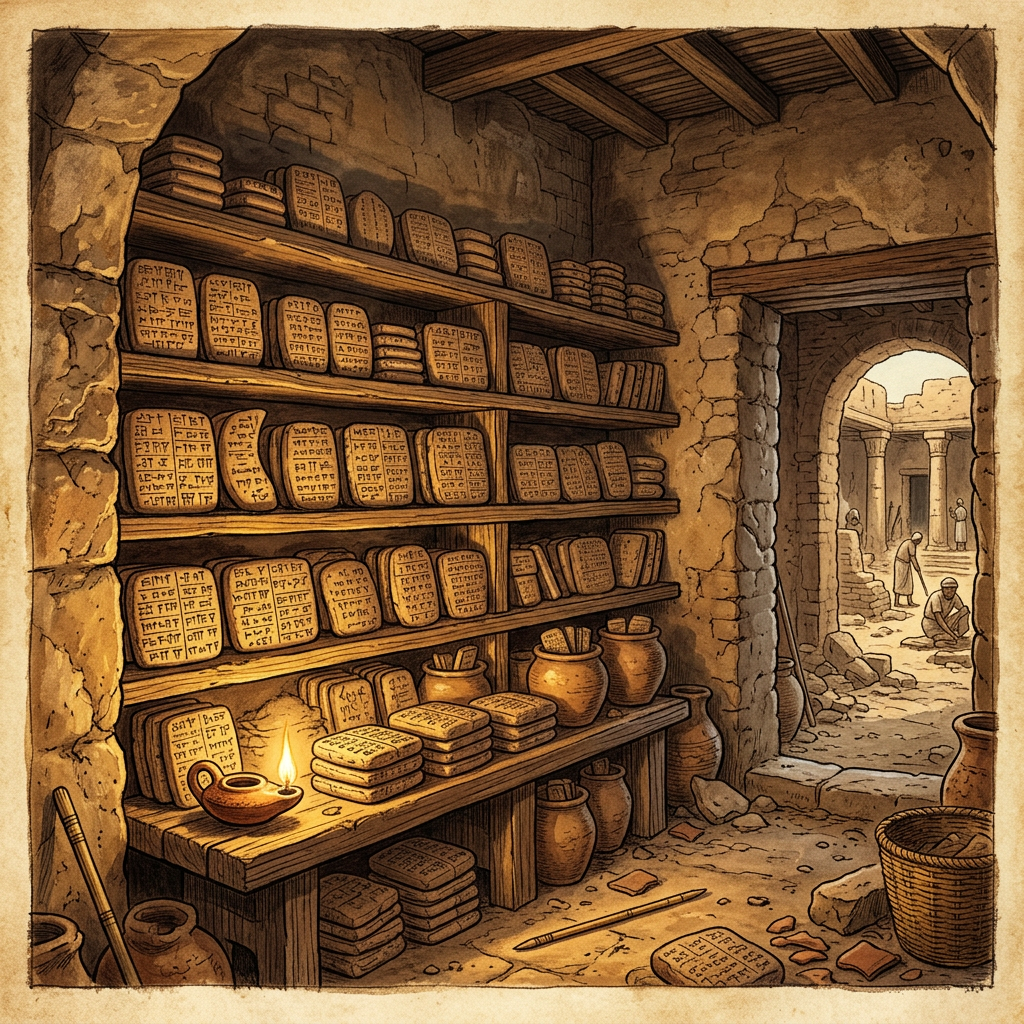
Recent excavations in the residential quarters of Ancient Ur have yielded a massive cuneiform archive detailing the logistics of the Trans-Arabian incense trade. The tablets, dating back approximately 4,000 years, record the arrival of caravans carrying rare resins and the rigorous quality-control measures implemented by the state.
Of particular interest are the weight-standard ledgers, which provide a mathematical breakdown of how different types of frankincense and myrrh were valued against silver. This discovery confirms that the Sumerian administration maintained a highly specialized bureau to manage the economic impact of luxury imports from the southern peninsula.