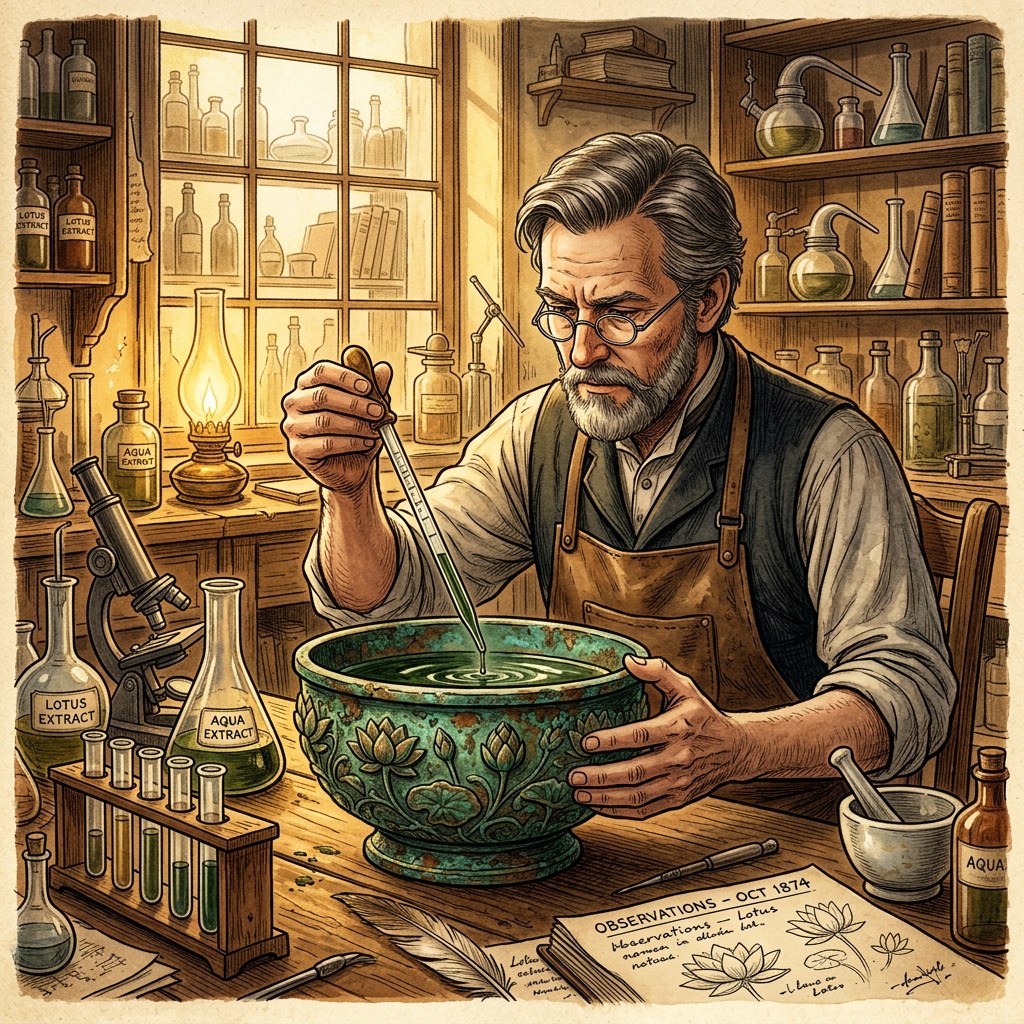
Scientists at the Nara National Research Institute for Cultural Properties have released the results of a chemical residue analysis performed on bronze vessels excavated from the Todai-ji temple complex. The study confirmed the presence of phyllodulcin, a natural sweetener found in hydrangea leaves, which is the primary ingredient in "Amacha" (sweet tea) poured over statues of the Buddha during the Hana Matsuri festival.
This discovery pushes the documented history of the 'Flower Festival' back to the 8th century, suggesting that the ritual of bathing the infant Buddha was a firmly established part of Nara-period court life. The vessels were found in a ceremonial pit alongside charred remains of cherry blossom petals, indicating a sophisticated and multi-sensory approach to early Buddhist celebrations in Japan.