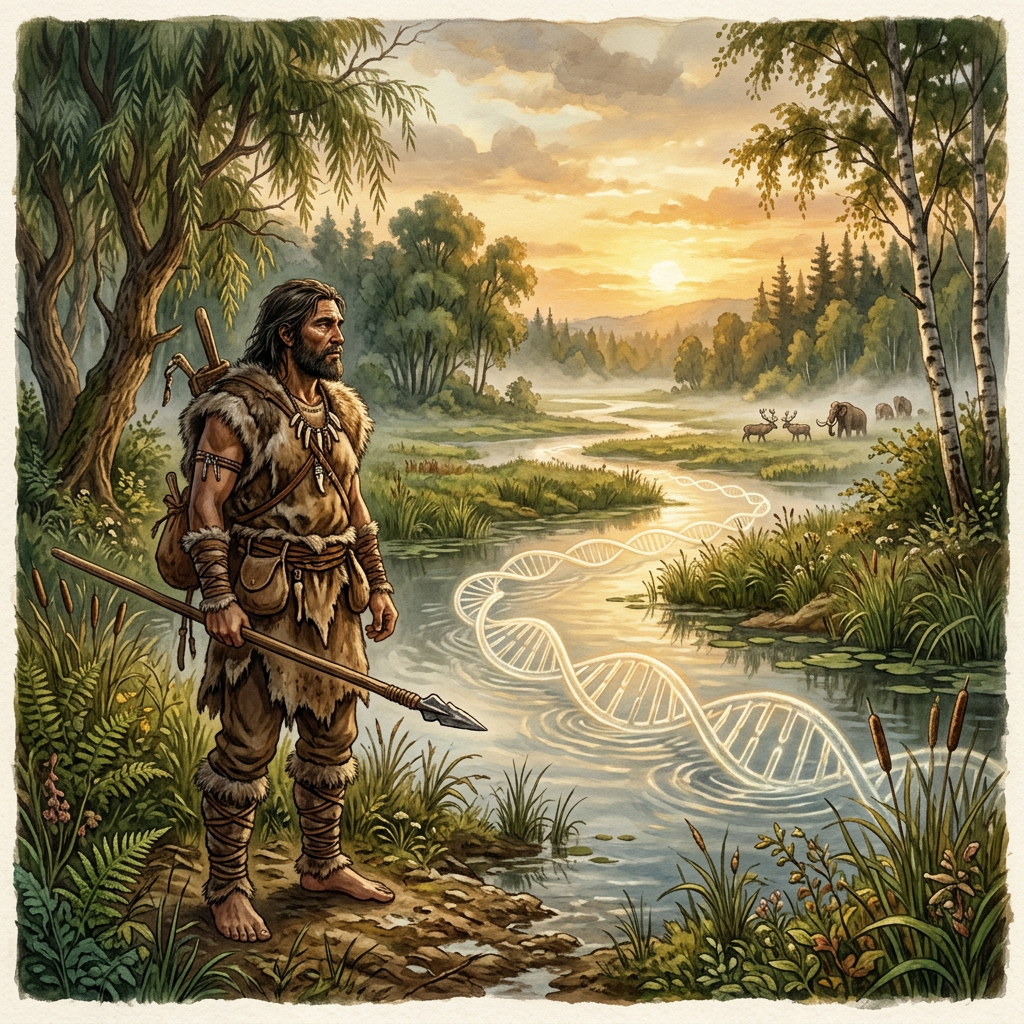
A breakthrough paleogenomic study published in Nature Communications has provided the first detailed genetic map of Pleistocene hunter-gatherers in West Africa. By analyzing the skeletal remains of individuals dating back 13,000 years from the Niger River Delta, researchers identified a unique suite of genetic markers that offered specialized resistance to endemic waterborne pathogens. This discovery suggests that early human populations in the region had already undergone significant evolutionary selection long before the advent of agriculture.
The research, led by an international consortium of geneticists and anthropologists, highlights a previously unknown 'ghost lineage' that contributed to the ancestry of modern West African populations. These individuals possessed specific alleles linked to enhanced immune responses against fluvial-borne diseases, a trait that likely facilitated the expansion of human settlements into the dense, high-pathogen environments of the tropical river systems during the Late Pleistocene.