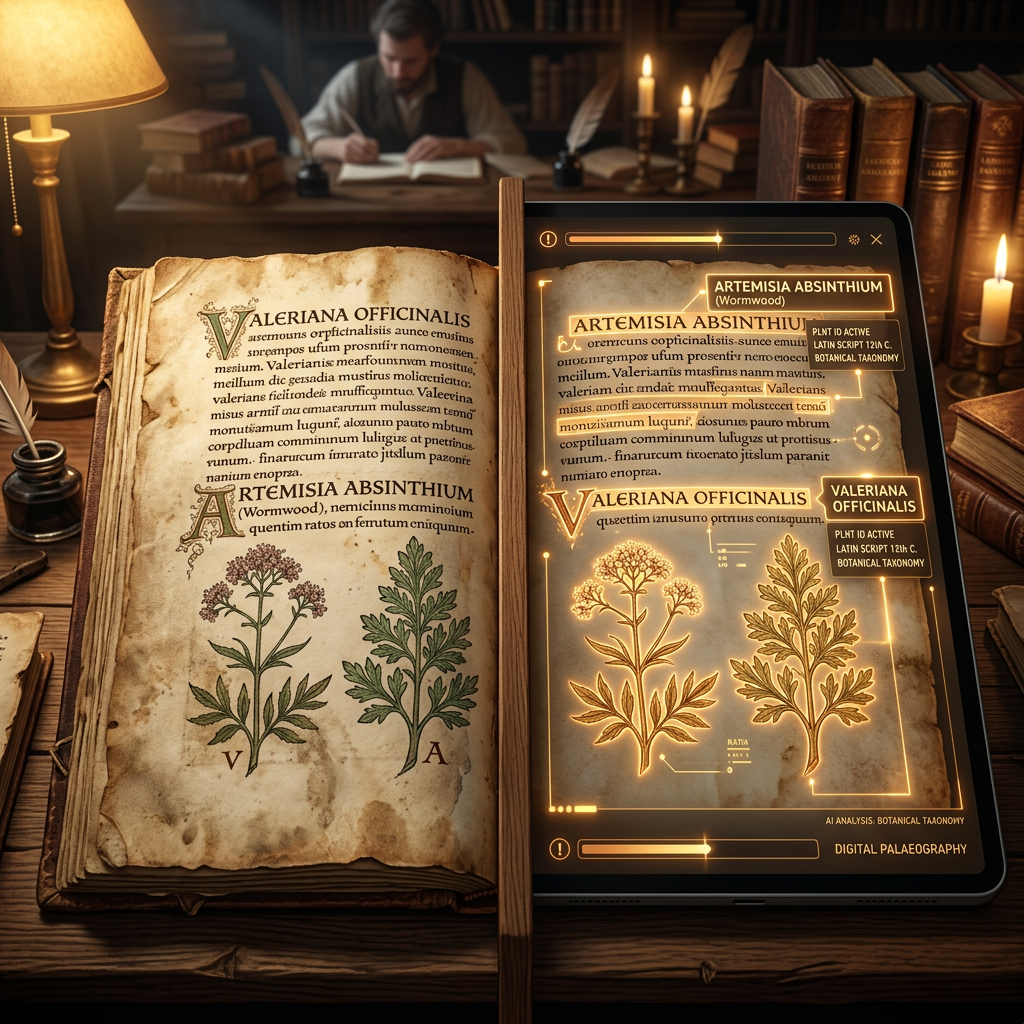
Researchers using advanced neural network models have successfully deciphered a collection of 10th-century Karani script fragments discovered in a remote step-well in Rajasthan. The texts contain lost Sanskrit treatises detailing sophisticated hydro-botanical engineering techniques designed for saline soil reclamation. These manuscripts outline the use of specific salt-tolerant aquatic flora to naturally filter and desalinate groundwater for agricultural use, revealing a level of environmental mastery previously unrecorded in medieval Indian science.
The AI project, a collaboration between digital paleographers and environmental scientists, has reconstructed complex protocols for 'biological desalination' that were implemented during the expansion of the Gurjara-Pratihara Empire. These findings indicate that ancient Indian scholars had developed a rigorous empirical framework for managing the ecological challenges of arid regions, utilizing recursive botanical mapping to sustain large-scale irrigation networks in hypersaline environments.