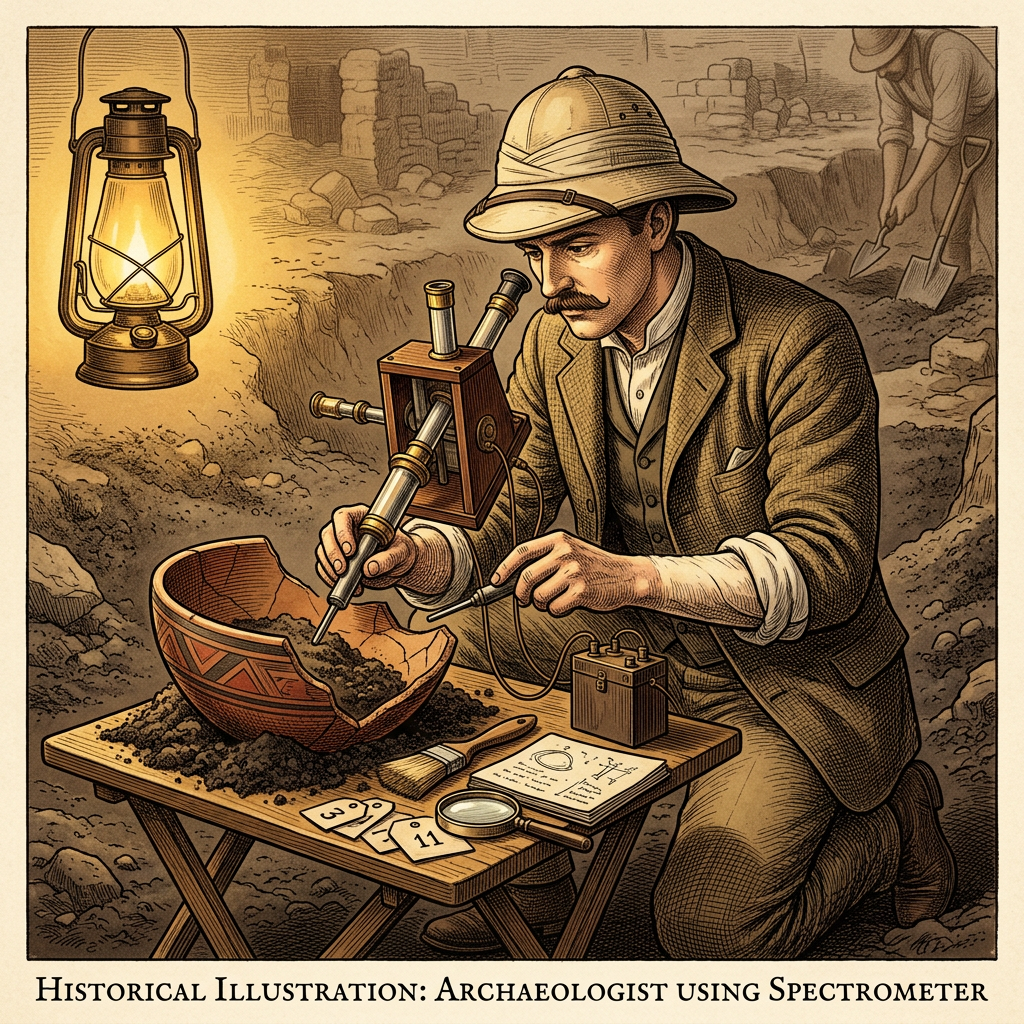
Archaeometric researchers have announced a new dating technique using Samarium-149 neutron capture analysis to refine the chronology of Neolithic sites in central Mexico. Published in Geochronology Today, the study applied this method to fire-cracked rock and ceramic fragments from the Zohapilco site, achieving a dating precision of within six months for occupations occurring 5,000 years ago.
This level of seasonal precision has allowed archaeologists to determine that these early settlements were not year-round urban centers but were instead occupied during specific maize-harvest cycles. The use of rare-earth isotope ratios marks a significant shift from traditional radiocarbon dating, offering a more robust way to date inorganic archaeological materials that have been exposed to high-temperature thermal events.