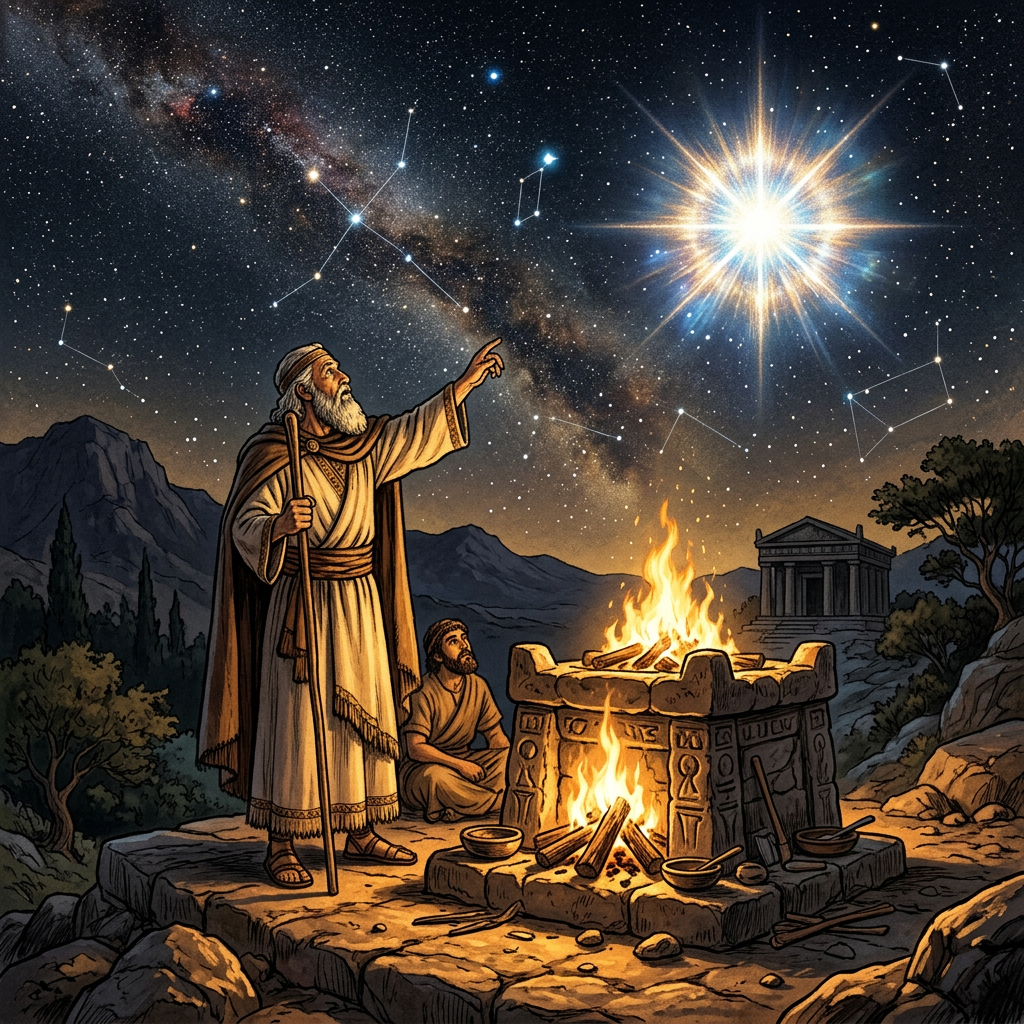
Astronomers and archaeo-historians have published a joint study correlating specific celestial descriptions in the Rigveda with a rare astronomical event. Using high-resolution astrophysical simulations, the team identified a supernova event that would have been visible in the constellation of Pushya (Cancer) around 2850 BCE, matching the metaphorical descriptions of a 'new sun' found in the ritual hymns.
This correlation provides a critical anchor point for the chronology of the Vedic corpus, suggesting that the early layers of the text were composed during a period of intense astronomical observation. The study further validates the precision of ancient Indian observational astronomy, showing that early Vedic seers maintained meticulous records of transient celestial phenomena that were incorporated into their theological and ritual frameworks.