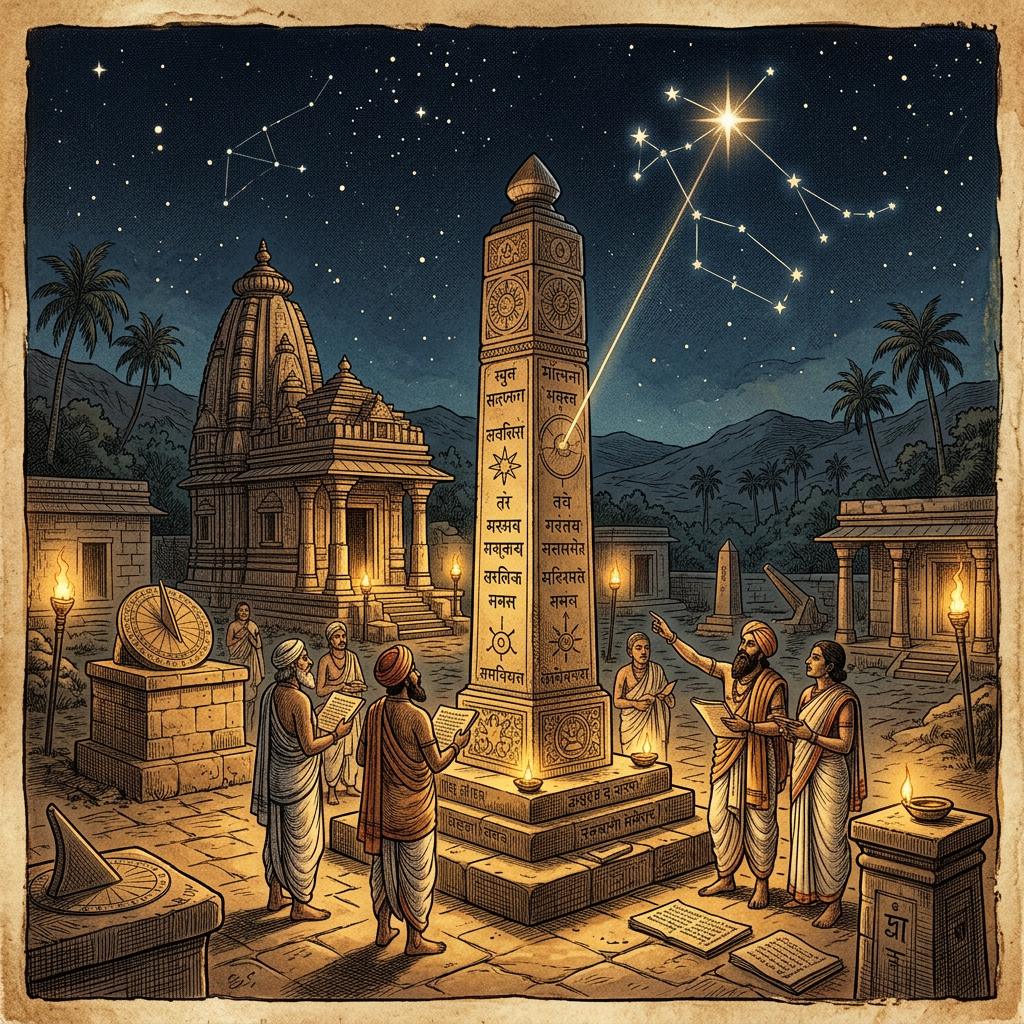
New archaeoastronomical research published in the Journal of Archaeological Science has established a direct correlation between specific ritual layers in 2nd millennium BCE Shrauta texts and the heliacal rising of the star Pollux. By utilizing high-resolution celestial simulations, researchers identified that the timing of several lunar-based ceremonies was calculated to align with the star's position in 1550 BCE with sub-degree precision.
This study demonstrates that ancient observers possessed a sophisticated understanding of precessional drift and utilized fixed stellar markers to calibrate their solar-lunar calendars. The findings suggest that the Vedanga Jyotisha tradition was based on a much older and more robust observational practice than previously assumed by Western scholarship.