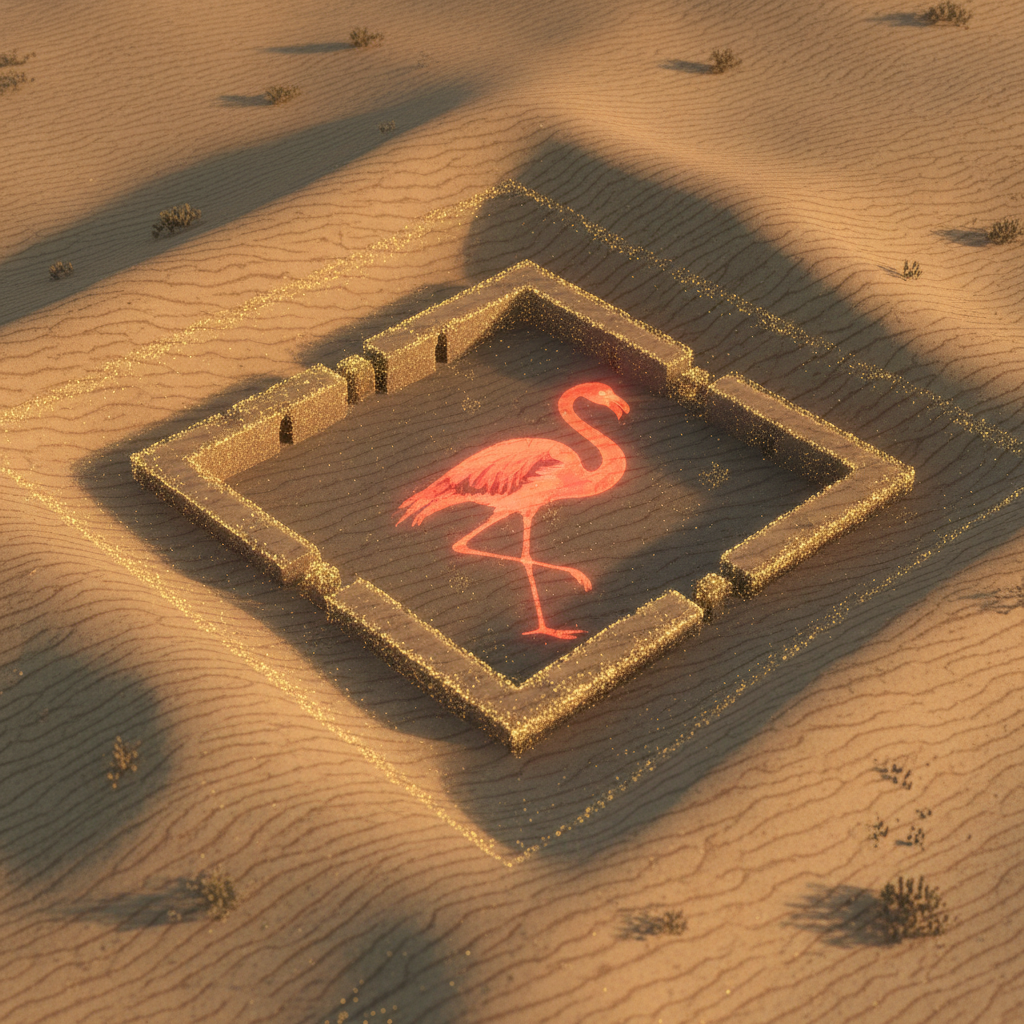
Archaeologists using advanced subsurface LIDAR technology have identified a previously unknown 2,500-year-old ceremonial center on Peru's Paracas Peninsula. Dubbed the 'Temple of the Crimson Flamingo,' the site features a large U-shaped platform decorated with vibrant polychrome friezes of wading birds and marine deities. This discovery challenges previous assumptions about the density of early Paracas culture settlements in the arid coastal region.
Excavations have revealed that the temple was used for maritime rituals, as evidenced by large deposits of Spondylus shells and bone fishing hooks left as offerings. The use of rare red pigments derived from cinnabar and hematite to create the flamingo murals suggests the site was of great religious importance. Researchers believe the temple was abandoned around 200 BCE following a series of catastrophic El Niño events that altered the local coastline.