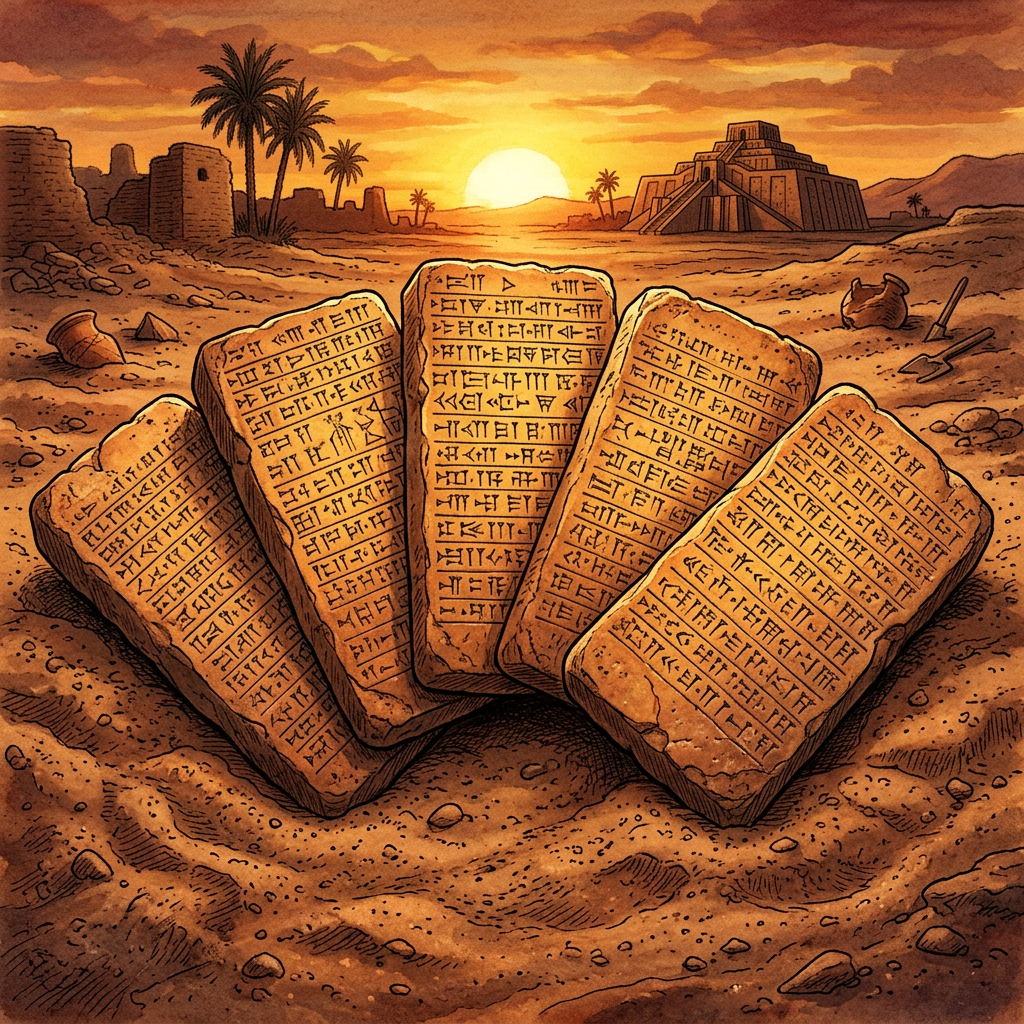
Excavations along the Betwa River basin have revealed a set of five sandstone tablets inscribed with a previously unknown ethical code. Named the 'Satya-Vratya-Niti', these inscriptions date back to the 6th century BCE and outline a radical philosophy of Non-Conformist Integrity, advocating for a path of virtue that exists independently of orthodox ritual or social status.
The text is particularly significant for its exploration of 'Svatantra-Dharma' or 'autonomous duty,' suggesting that the highest form of truth-telling is found in the individual's commitment to cosmic order (Rta) even when it conflicts with community norms. This finding provides a rare look into the diverse 'Sramana-adjacent' philosophical debates that characterized the intellectual landscape of ancient North India.