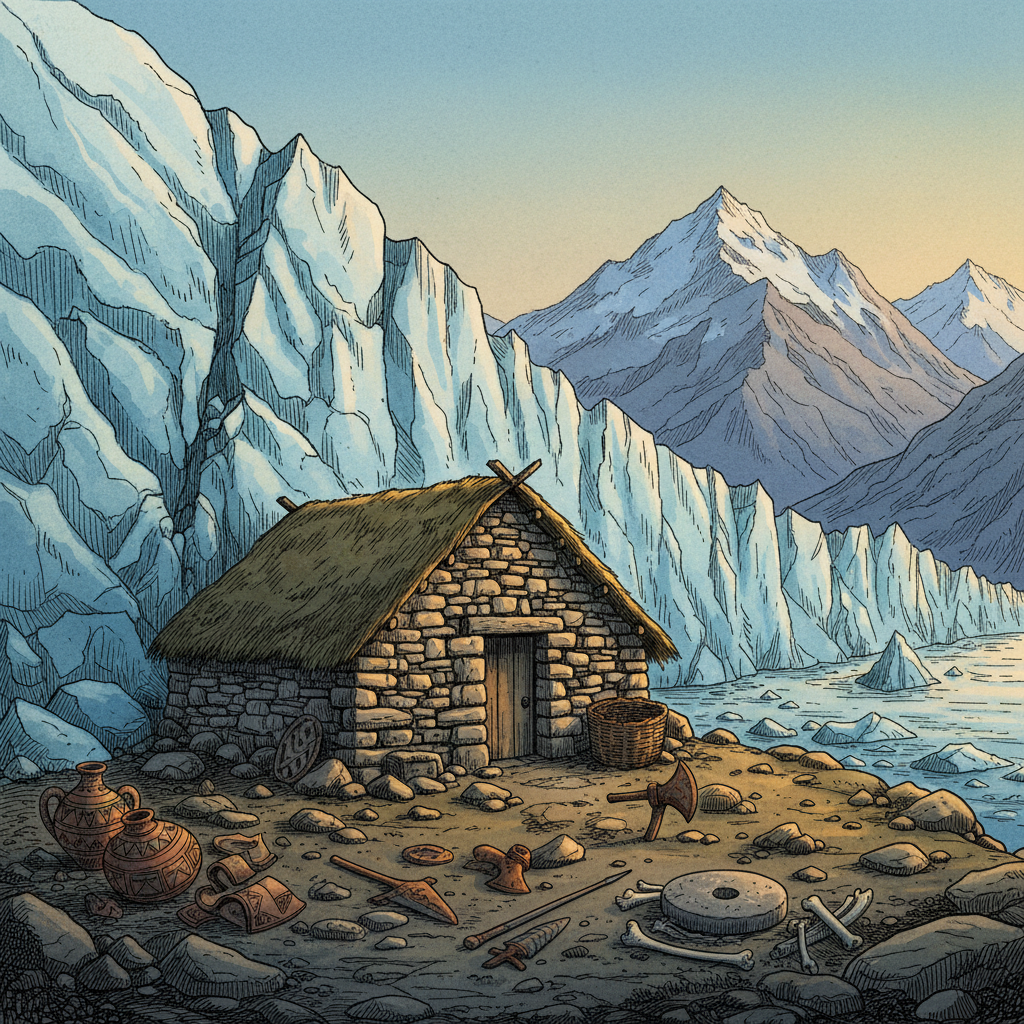
The rapid melting of high-altitude glaciers in the Southern Andes has revealed a series of remarkably preserved alpine shelters used by prehistoric Mapuche ancestors approximately 3,000 years ago. Among the finds are several small, stone-walled structures containing organic materials that rarely survive the archaeological record, including stitched leather pouches, guanaco-fur cloaks, and woven grass sandals. The cold, anaerobic environment of the ice has kept these items in near-pristine condition.
Climate archaeologists believe these shelters served as seasonal base camps for high-altitude hunting and ritual pilgrimage. The discovery of obsidian tools sourced from over 200 miles away suggests that these mountain passes were critical nodes in a long-distance trade network. Efforts are currently underway to stabilize these artifacts in mobile laboratories before they deteriorate due to exposure to the modern atmosphere.