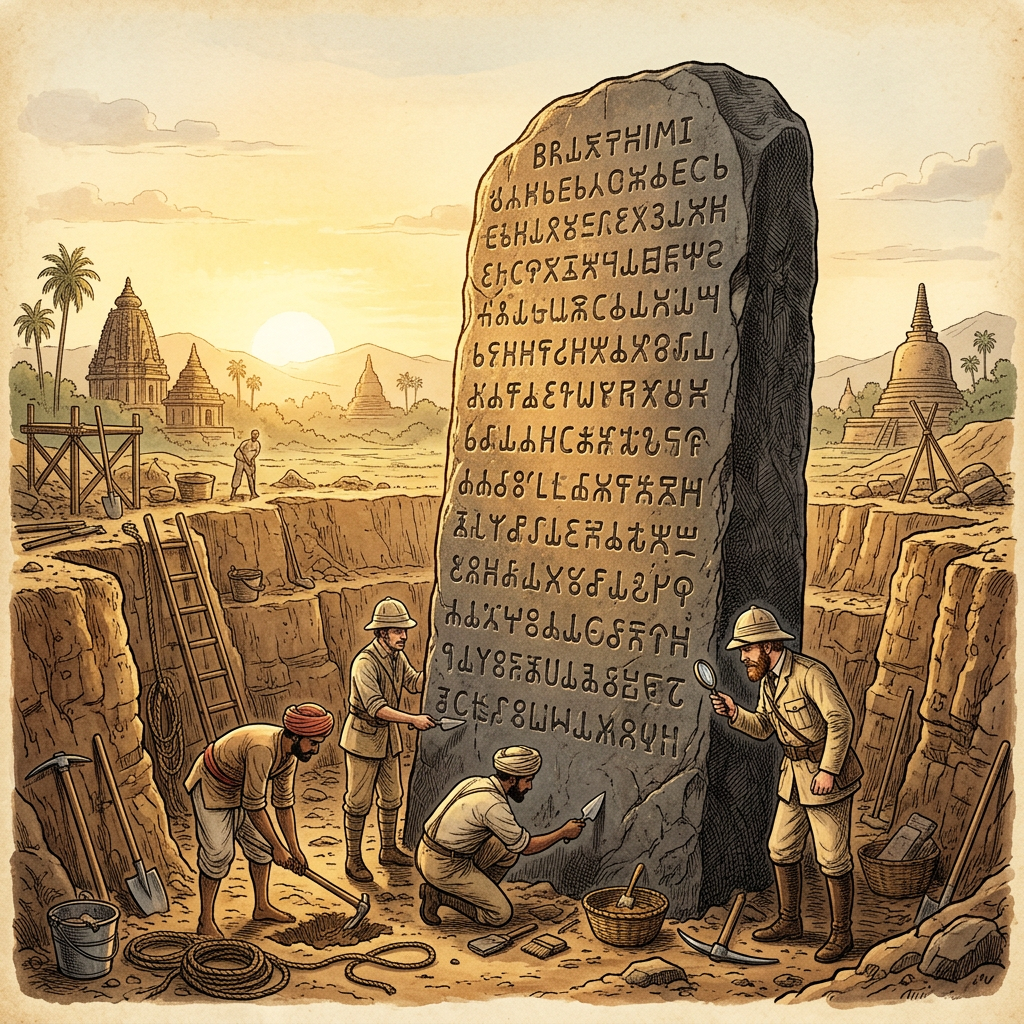
Excavations in the Brahmaputra Valley of Assam have led to the discovery of a pre-Mauryan stone stele inscribed with the Atithi-Sutra. The inscription, written in an early form of Brahmi, details a rigorous 'philosophy of the stranger,' or radical hospitality, that predates major known ethical texts of the region. It posits that the act of welcoming a traveler is a metaphysical necessity that dissolves the boundaries between the self and the other, fostering a sense of universal kinship.
The stele outlines twelve specific virtues associated with hospitality, including 'epistemic openness' and 'material detachment.' Unlike later ritualistic interpretations of Atithi Devo Bhava, this 4th-century BCE text treats hospitality as a cognitive discipline meant to refine the host's character. Local historians believe this site may have been a rest-house for wandering philosophers and traders, serving as an early center for cross-cultural intellectual exchange.