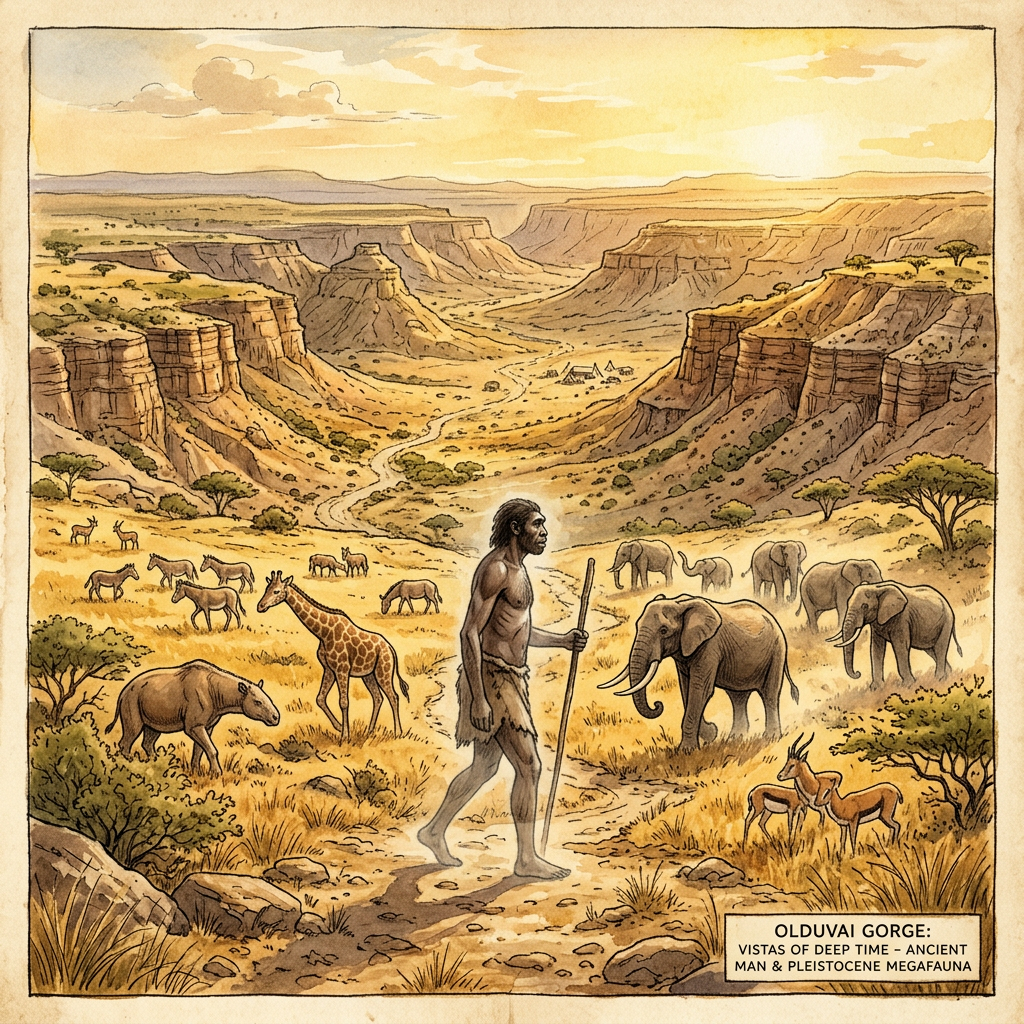
Paleogenomic researchers have identified a 'ghost' lineage of modern humans in East Africa following the analysis of 14,500-year-old remains from Olduvai Gorge. The study, published in Cell Reports, used ultra-high-resolution DNA sequencing to map a distinct population that shows no direct maternal or paternal link to the primary migratory pulses out of the region. This group possessed unique genetic markers for T-cell efficiency against high-altitude viral strains.
This discovery suggests that the Pleistocene African landscape was far more genetically diverse than previously understood, with isolated pockets of humans evolving highly specific immunological defenses. The findings provide a new template for understanding how environmental stressors in the Rift Valley shaped the genetic architecture of modern human ancestors before the major demographic shifts of the Neolithic period.