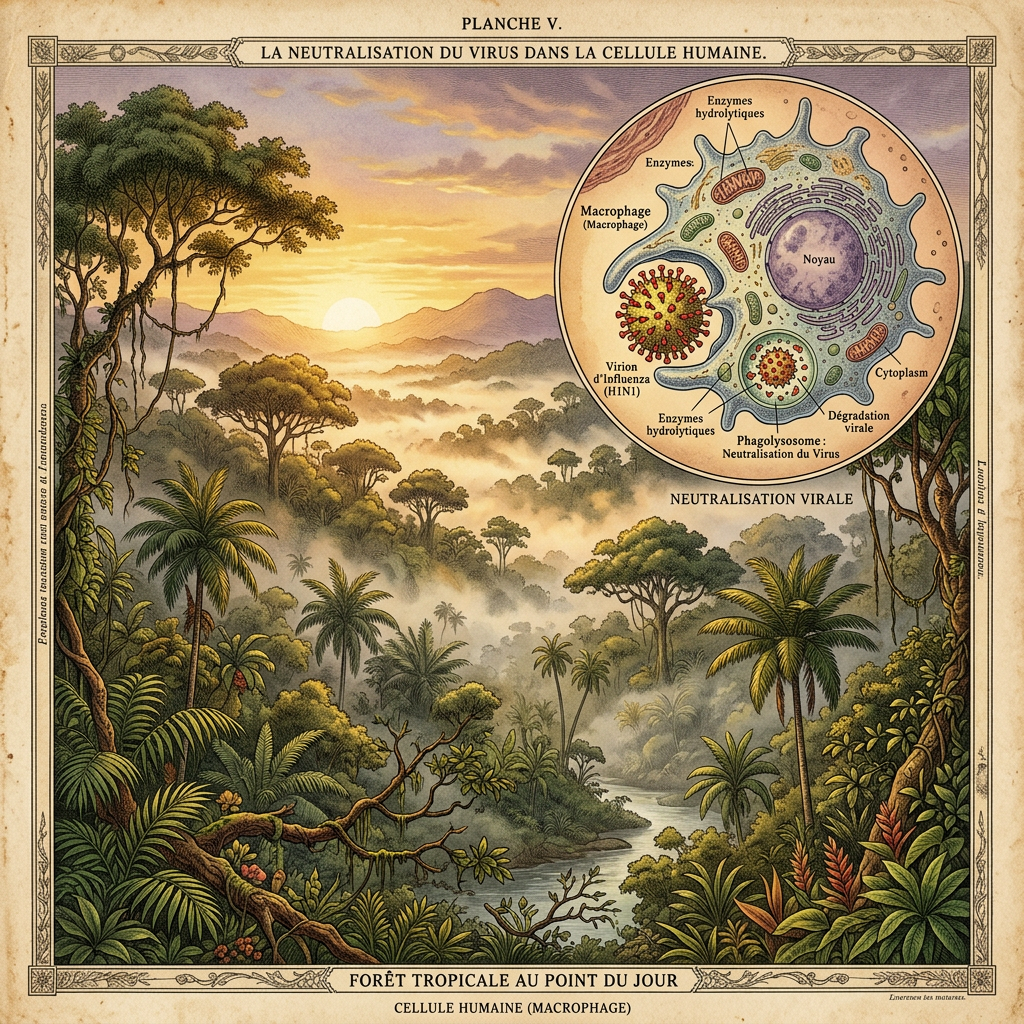
A comprehensive genomic study led by an international consortium has identified the earliest evidence of genetic selection for disease resistance in South American tropical forests. Analysis of 9,500-year-old skeletal remains from the Xingu Basin reveals a significant enrichment in the IFNL4 gene locus, which is critical for the innate immune response against flaviviruses and other mosquito-borne pathogens endemic to the Amazonian wetlands.
The research, appearing in Science Advances, demonstrates that early Holocene foragers in the Amazon underwent a rapid evolutionary response to the high pathogen load of the rainforest environment. This genetic adaptation provided a survival advantage that allowed for the subsequent development of complex, high-density settlements and sustainable agro-forestry systems that defined later Amazonian civilizations such as the Kuhikugu complex.