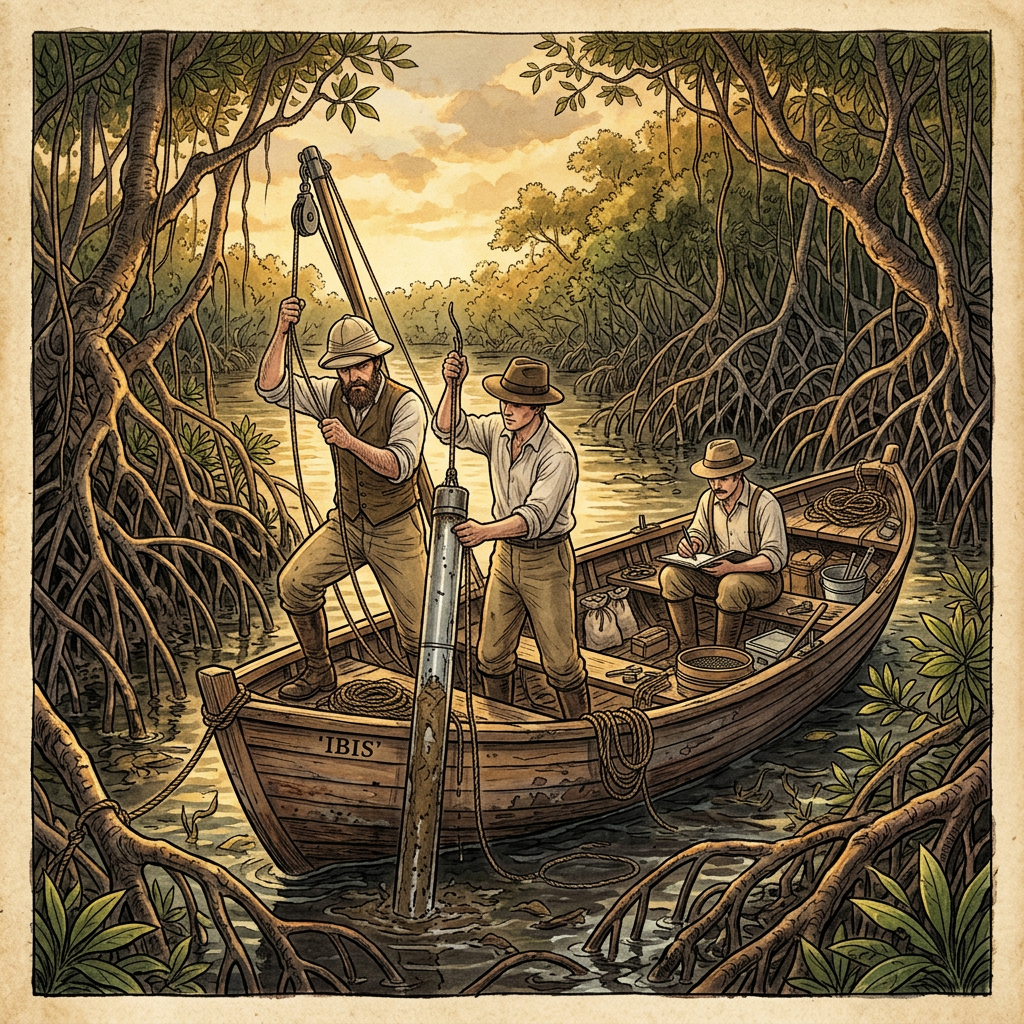
A breakthrough study in climate archaeology has utilized sediment cores from fossilized mangroves in the Caribbean to reconstruct historical hurricane patterns. The data indicates the existence of a 'Great Storm Cycle' around 1200 CE, which coincided with significant shifts in settlement patterns among indigenous Taino and Carib populations.
Researchers found that ancient coastal communities adapted to this period of extreme weather by developing inland 'storm-resilient' agricultural terraces and moving ceremonial centers to higher ground. The study provides a historical template for modern coastal resilience, illustrating how prehistoric societies successfully navigated centurial climate volatility.