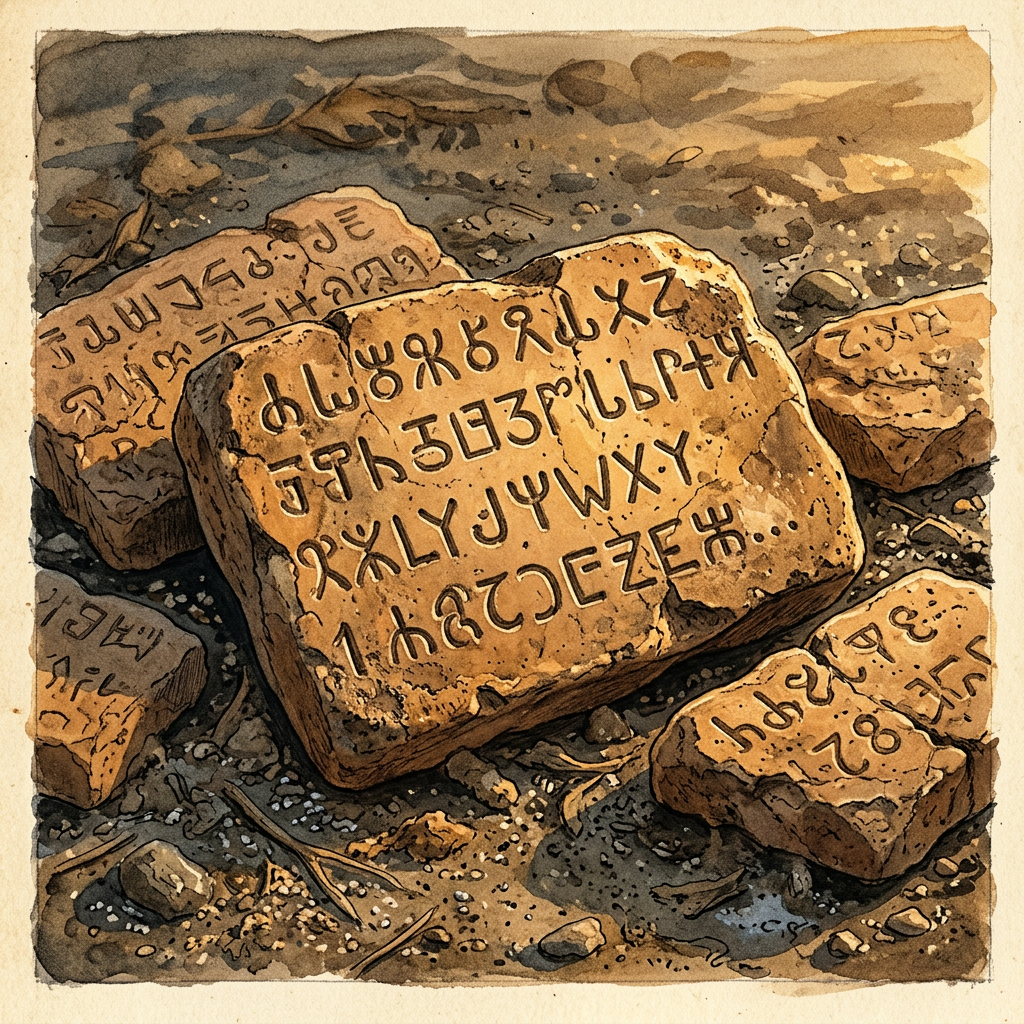
Archaeologists excavating the ancient port city of Tamralipta have uncovered a series of 7th-century terracotta tablets that outline a unique ethical framework known as Vanik-Anitya, or the Philosophy of Mercantile Impermanence. These texts, written in a localized Sanskrit-Prakrit hybrid, provide a rare glimpse into how ancient Indian maritime traders reconciled material accumulation with the metaphysical concepts of transience and non-attachment.
The tablets suggest that wealth was viewed not as a permanent possession but as a 'flowing river' that required ethical channeling to maintain cosmic balance. Scholars from the University of Calcutta note that the discovery highlights a sophisticated Sanatan Dharma economic ethic that predates modern corporate social responsibility, emphasizing the moral obligation of the merchant to distribute surplus to prevent 'stagnant energy' in the social fabric.