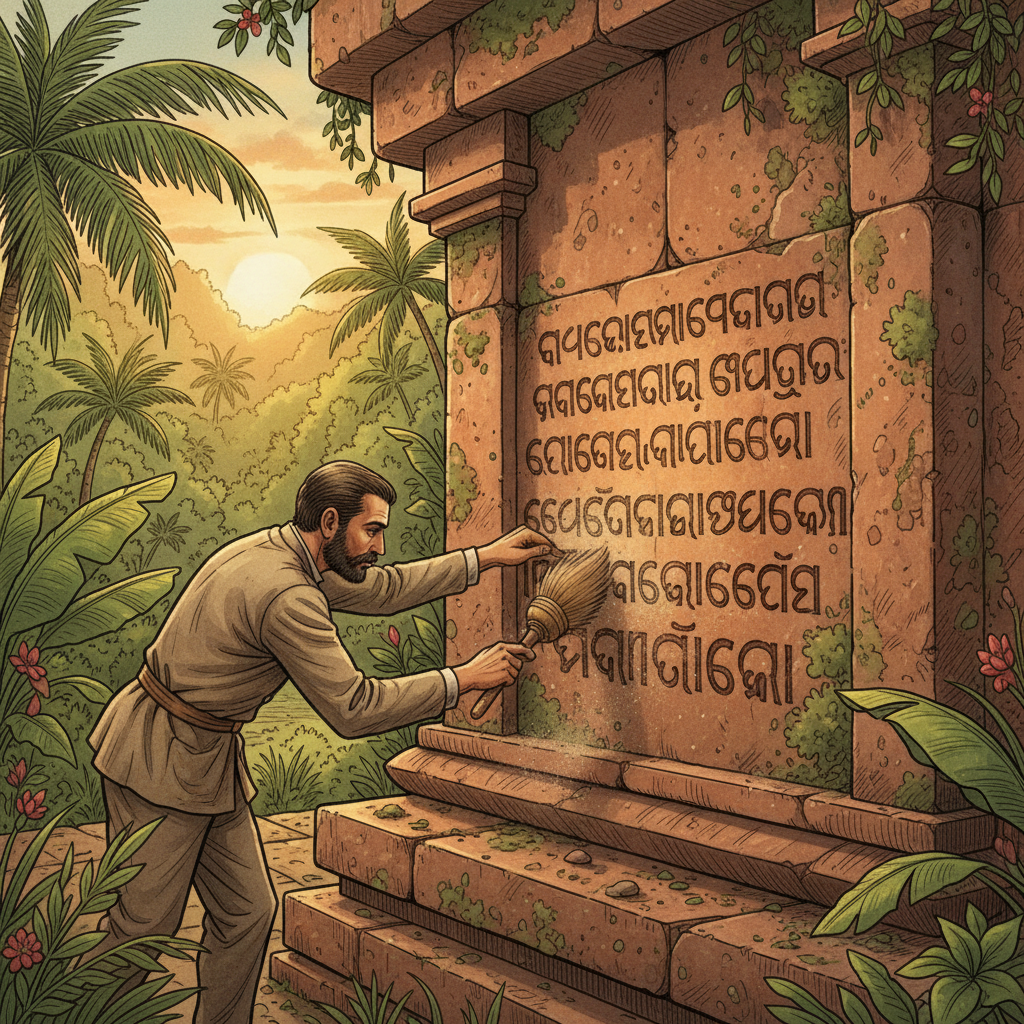
Epigraphists working in Odisha's Prachi Valley have documented a series of 10th-century stone inscriptions that detail the management of an ancient 'Temple-Hospital'. Linked to the Somavamsi dynasty, the records describe a complex system of land grants used to fund medical practitioners and the storage of medicinal herbs within the temple premises, known as an 'Arogyashala'.
The inscriptions provide a rare glimpse into the social role of temples as centers of public welfare and education. They specifically mention the specialized roles of healers who served both the monastic community and the local village populace. This discovery highlights a sophisticated healthcare tradition where religious architecture served as a hub for the preservation and practice of Ayurveda under royal patronage.