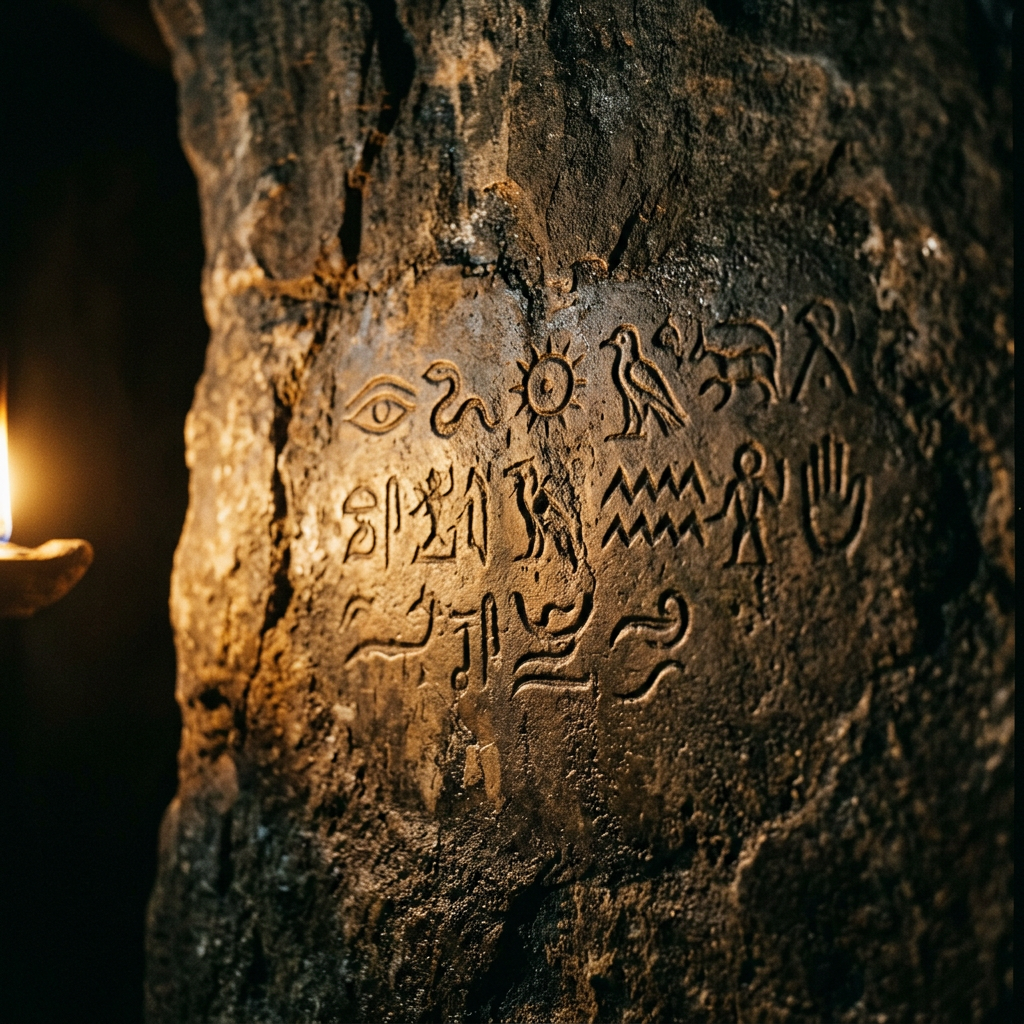
Researchers in the Gaya District of Bihar have discovered a series of cave inscriptions dating to the late 5th century BCE that detail a lost military philosophy known as 'Ethics of Defensive Restraint'. Inscribed on the inner walls of a natural shelter, the text redefines Kshatriya-Dharma (the warrior's duty) not through the lens of conquest, but through the 'Philosophy of Non-Interference'. It argues that the highest form of bravery is the refusal to initiate violence, even when a strategic advantage exists.
The Magadhan inscriptions emphasize that true sovereignty is achieved only when a ruler masters 'The Geometry of Forbearance'. The text uses complex metaphors of the 'unmoving center' to describe a state where a warrior becomes a stabilizer of the cosmic order (Rta) rather than a disruptor. This find is significant because it provides an early, pre-Buddhist precedent for the principles of non-violence (Ahimsa) appearing within the orthodox Vedic social structure, suggesting that the philosophy of peace was evolving internally within the warrior classes themselves.