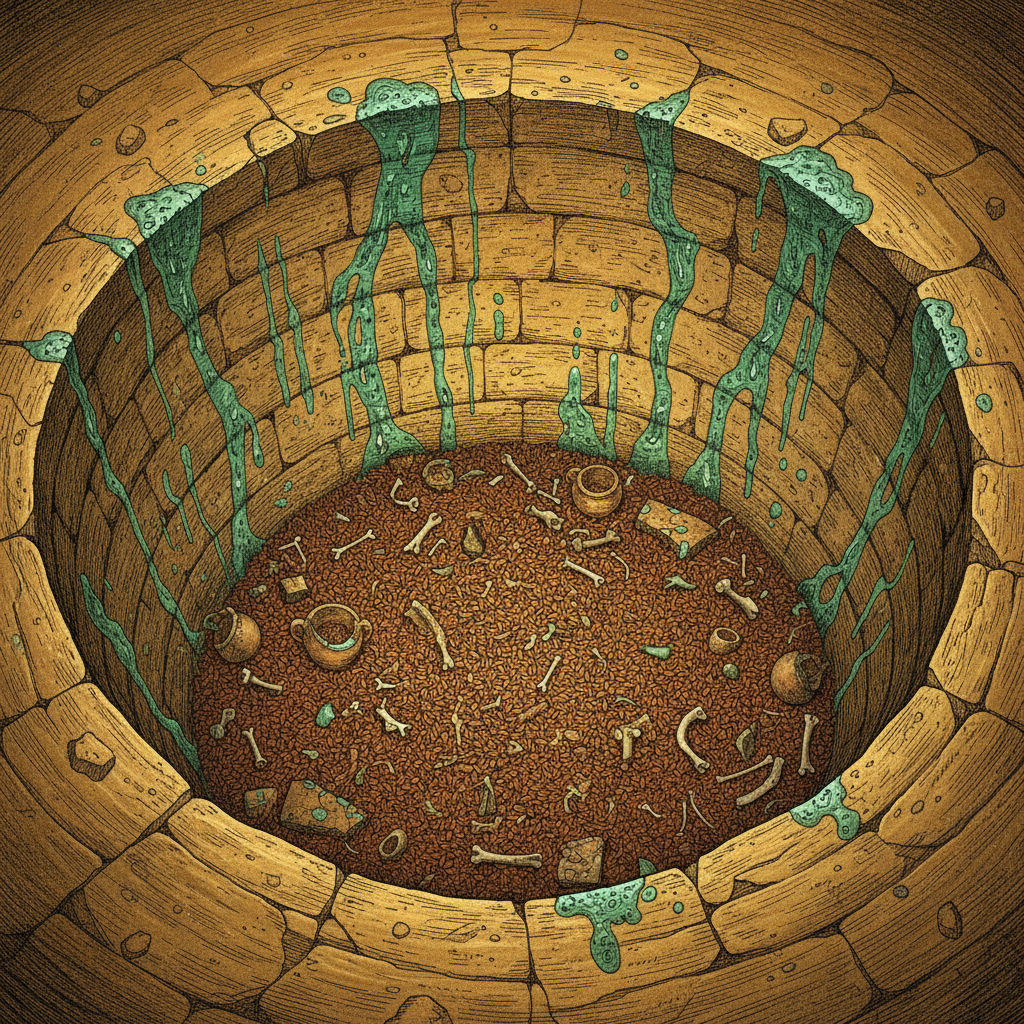
A joint international team excavating the lower acropolis of ancient Susa in modern-day Iran has identified a series of malachite-stained offering pits. These pits, containing remnants of fossilized cedar seeds and copper-alloy ritual figurines, appear to be the archaeological footprint of the 'Festival of the Sown Cedar,' a major Elamite celebration dedicated to the endurance of the state and the renewal of sacred groves. The malachite staining is believed to be the result of pouring liquid copper pigments over the offerings during the ritual.
Stratigraphic analysis dates the pits to approximately 2000 BCE, coinciding with the peak of early Elamite urban expansion. Scholars suggest that the cedar, which was not native to the immediate region, was imported at great expense specifically for these ceremonial plantings. This ritual act of 'sowing the cedar' symbolized the deep-rooted stability of the dynasty. The discovery of associated libation vessels confirms that these festivals involved large-scale communal banquets where the elite and commoners gathered to witness the planting of the sacred trees.